










Need an easy way to boost your daily fibre intake? High fibre dry fruits like anjeer, prunes, almonds and pistachios can help. This guide compares their fiber content, explains the benefits for digestion and shares realistic portions and simple Indian meal ideas
Key Takeaways: High-Fibre Dry Fruits
-
Which dry fruits are high in fibre?
Dried figs, almonds, pistachios, and dry coconut provide dietary fibre.
-
What are benefits of fibre-rich dry fruits?
They help support digestive health, bowel regularity and regular fibre intake.
-
Where to buy fibre dry fruits online?
Buy high fibre dry fruits online directly or through GGT Foods' official distribution channels.
Why Fibre Matters (and How Dry Fruits Help)
Fibre is the part of plant foods that resists digestion. Soluble fibre supports cholesterol management; insoluble fibre adds stool bulk for regular bowel movements. The benefits of dietary fibre come from varied meals with vegetables, dal, whole grains and nuts.
Adults generally need 22–34 g daily, depending on age and sex. Drink sufficient water too. Fibre rich dry fruits offer convenient extra fibre. Dried fruits concentrate the natural sugars and nuts have fats and calories. Choose dry fruits rich in fibre alongside fresh produce.

₹ 699

₹ 899

₹ 599
₹ 1,499
10 Best High Fibre Dry Fruits for Everyday Nutrition
1. Dried Figs (Anjeer)
Anjeer provides about 9.8 g fibre per 100 g. Its tiny seeds add pleasant texture to breakfast bowls. Try one or two figs with curd or daliya.
2. Prunes (Dried Plums)
Prunes contain fibre and sorbitol which may help soften stools. Start with two or three and see how your digestion responds. These high fibre dry fruits for constipation work best with adequate water.
3. Dried Apricots
Unsweetened dried apricots provide fibre and potassium. Chop two or three into porridge or pair with nuts for a convenient office snack. Check ingredient labels for sulphites if sensitive.
4. Dates (Khajoor)
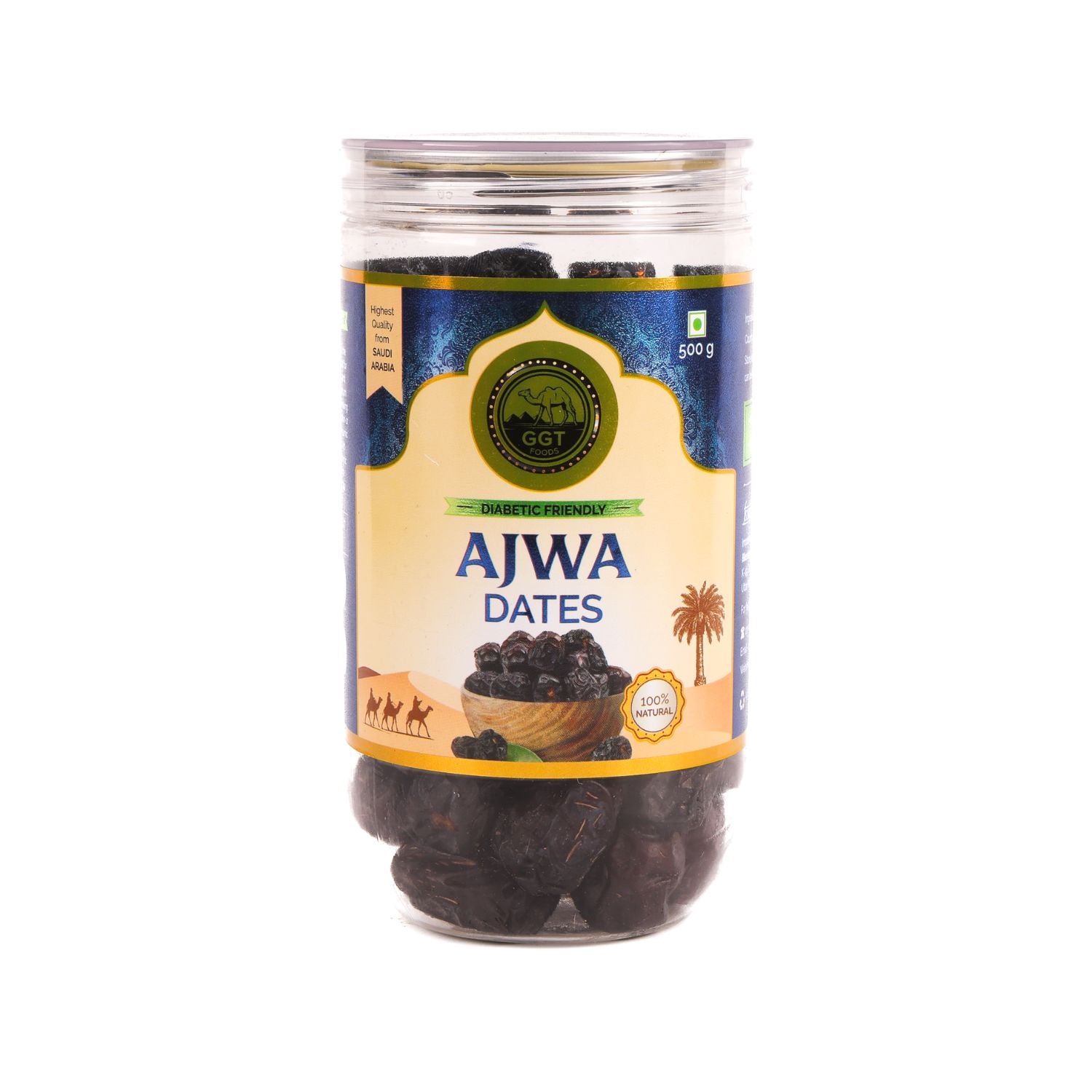
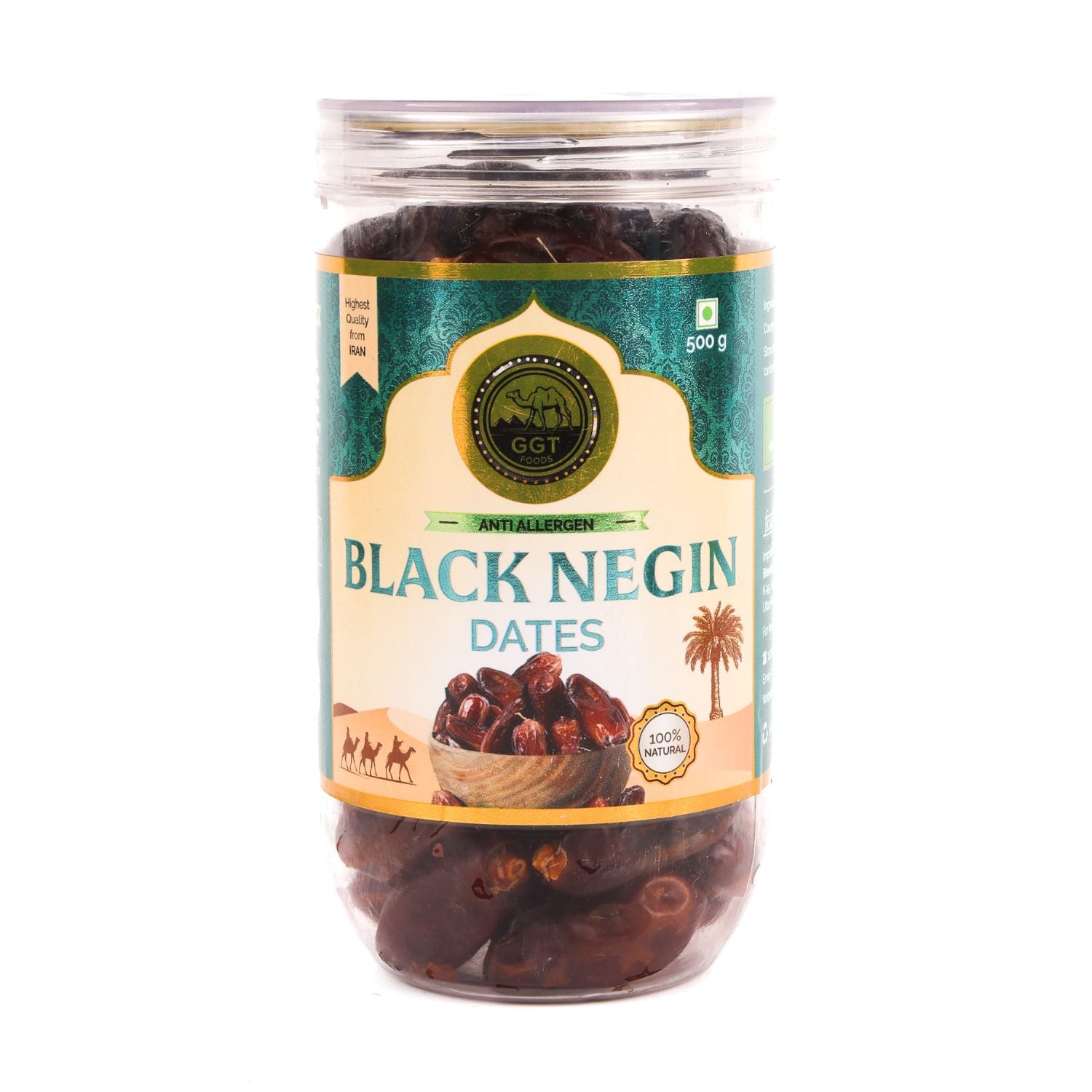
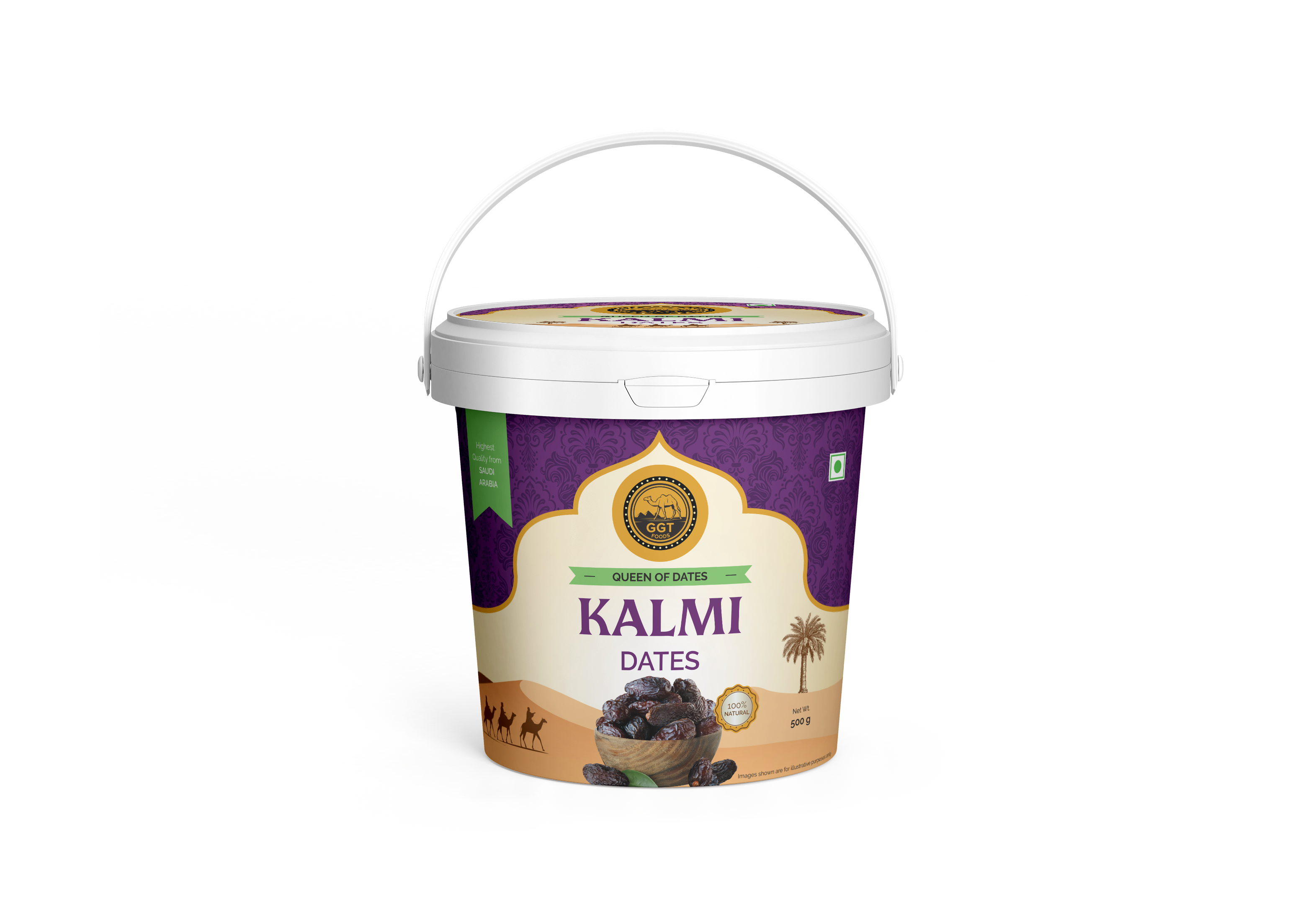
Dates add fibre and natural sweetness to smoothies, laddoos and homemade snack bars. Choose a small portion because carbohydrate content is concentrated. One or two small dates pair with unsalted nuts and can replace some added sweeteners in homemade recipes.
5. Raisins (Kishmish)
Raisins have less fibre per 100 g than figs but remain useful in ordinary Indian meals. Sprinkle a tablespoon over poha or daliya. Their small size makes portion control important, particularly for people monitoring blood glucose. Choose ordinary unsweetened kishmish instead of sugar-coated snack versions.
6. Almonds (Badam)
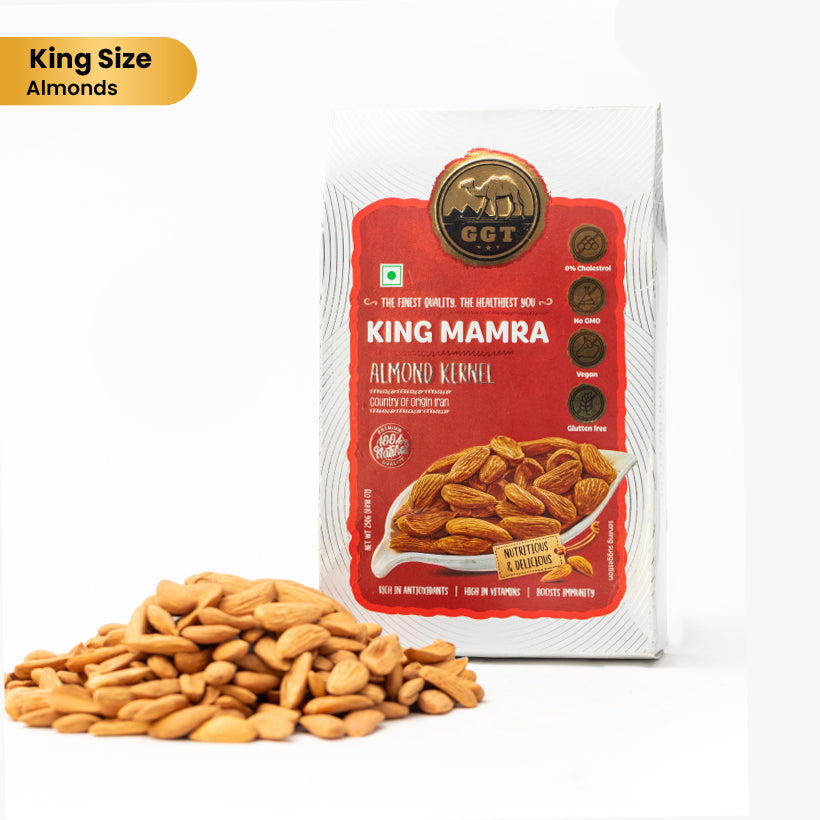
Almonds stand out among fibre rich nuts, providing about 12.5 g per 100 g. If you are comparing almonds fibre content, remember a 28 g handful gives roughly 3.5 g, not 12.5 g. Eat them plain or chopped into a simple breakfast mix with fresh banana, oats and curd.
7. Pistachios (Pista)
Pistachios provide about 10.6 g fibre per 100 g. These nuts rich in fibre work well with fruit; choose unsalted kernels. Shell-on varieties can also encourage slower, more mindful snacking.
8. Hazelnuts
Hazelnuts supply fibre, vitamin E and unsaturated fats. Toast a small amount and sprinkle over oats, yoghurt or fruit. They offer variety when you want high fibre nuts beyond everyday almonds. Pistachios are also nuts rich in fibre.
9. Pecans
Pecans contain roughly 9.6 g fibre per 100 g. Add a few pieces to trail mix or oats.
10. Walnuts (Akhrot)
Walnuts provide fibre plus plant omega-3 fat, called ALA. They have less fibre than almonds or pistachios but offer useful nutritional variety. Two to four halves pair easily with sliced apple or warm oatmeal. Always check walnut freshness.
Fibre Content in Dry Fruits: A Nutritional Comparison
Compare approximate fibre in dry fruits and nuts using standard food data. Values are per 100 g; ordinary servings provide less.
|
Dry fruit or nut |
Fibre per 100 g |
Practical serving |
|
Almonds |
12.5 g |
20–30 g |
|
Pistachios |
10.6 g |
20–30 g |
|
Dried figs |
9.8 g |
1–2 figs |
|
Hazelnuts |
9.7 g |
20–30 g |
|
Pecans |
9.6 g |
Small handful |
|
Dried apricots |
7.3 g |
2–3 pieces |
|
Prunes |
7.1 g |
2–3 pieces |
|
Dates |
6.7 g |
1–2 small dates |
|
Walnuts |
6.7 g |
2–4 halves |
|
Raisins |
3.7 g |
1 tablespoon |
These dry fruits high in fibre include nuts and dried fruit. Values vary by variety; compare portions too.
Health Benefits of Eating Fibre-Rich Dry Fruits
Regular fibre-rich dry fruits help increase dietary fibre alongside varied meals.
- Regularity of digestion: Fibre promotes bulk of stool; prunes provide sorbitol.
- Feeling full between meals: Fibre, particularly when combined with fats and proteins in nuts, might help you feel full.
- Healthy heart nutrition: Some types of soluble fibre help reduce LDL cholesterol when included in a proper diet.
- Gastrointestinal health: Some types of fibre are broken down by intestinal microflora and produce substances that contribute to gastrointestinal health.
- Improvement of snacking quality: Substitution of low-fibre snacks for measured portions provides additional nutrients.
These are realistic dried fruit fibre advantages, not a promise that one food cures constipation or digestive disease. Fibre intake works best when paired with everyday walking and enough fluids.
Best Dry Fruits for Digestion and Constipation Support
For constipation, fibre works best alongside fluids and movement. Prunes may have a stronger bowel effect than some other options because they contain sorbitol as well as fibre.
|
Food |
Why it can help |
Simple way to eat |
|
Prunes |
Fibre and sorbitol support stool softness |
Start with 2–3 |
|
Anjeer |
Provides fibre that adds stool bulk |
Chop 1–2 into breakfast |
|
Dried apricots |
Supplies fibre and naturally occurring sugars |
Add 2–3 to porridge |
|
Almonds |
Adds fibre, fat and protein |
Eat a measured handful |
|
Pistachios |
Offers fibre in a satisfying snack |
Choose unsalted kernels |
The fibre in dry fruits supports regularity. Sudden large portions may cause bloating; persistent constipation, bleeding or unexplained weight loss needs medical advice.
How to Add High-Fibre Dry Fruits to Your Daily Diet
For an Indian kitchen, fibre rich dry fruits are easy to use without complicated recipes:
- Breakfast: Add chopped anjeer and almonds to oats, daliya or ragi porridge.
- Office snack: Carry pistachios and two prunes in a small box.
- Lunch: Sprinkle walnuts over a salad or vegetable grain bowl.
- Homemade treats: Use dates and crushed nuts in portion-controlled laddoos.
- Evening: Combine fresh guava or apple with a few almonds.
For fibre rich nuts, a 20–30 g handful is a practical reference. Add dried fruit separately. Timing is less important than consistency.
₹ 749
₹ 449
₹ 1,499
₹ 749
Things to Consider Before Eating High-Fiber Dry Fruits
Even dry fruits rich in fibre need sensible portions:
- Increase fibre gradually and drink enough water to avoid discomfort.
- Nuts are energy-dense; dried fruits have concentrated natural sugars.
- Check for tree-nut allergies and choose age-safe textures for children.
- Prefer unsweetened dried fruits and unsalted nuts for everyday use.
- People with bowel conditions or medically restricted diets should ask their clinician about suitable amounts.
Soaking may soften dried fruit, but it is not required to obtain dried fruit fibre. Consistency, balanced meals and hydration matter more.
How to Choose Quality High Fibre Dry Fruits
When comparing high-fibre nuts and dried fruit, freshness and clear labels matter just as much as fibre claims.
|
Quality check |
What to look for |
Why it matters |
|
Ingredients |
Plain nuts, unsweetened fruit |
Avoids unnecessary coatings |
|
Appearance |
Clean, natural-looking pieces |
Helps identify visibly damaged produce |
|
Aroma |
Fresh, characteristic smell |
Rancid odours suggest spoiled oils |
|
Texture |
Crisp nuts, appropriately soft fruit |
Indicates sensible handling and storage |
|
Packaging |
Sealed, moisture-resistant packs |
Helps preserve freshness |
|
Label |
Clear weight, dates and storage advice |
Makes comparing products easier |
Store opened packs airtight, away from heat and humidity. Refrigerate nuts when keeping them for longer periods, especially during humid Indian weather.
Why Choose GGT Foods for Quality Dry Fruits?
GGT Foods builds on its longstanding Khari Baoli dry-fruit heritage, offering carefully selected almonds, walnuts, anjeer and dates for Indian households. Its premium range includes familiar everyday options as well as gifting selections. Shoppers browsing dry fruits online can compare varieties and pack sizes suited to everyday snacking, breakfast and homemade recipes.
Its sourcing, sorting and protective packaging help maintain quality. Choose Afghani anjeer, Mamra almonds or dates for familiar meals.
When buying dry fruits online, check each product's ingredients and storage guidance instead of relying on exaggerated digestive-health promises. GGT Foods brings the “God Given Treasures” approach to quality-focused daily nutrition.
FAQs on High-Fibre Dry Fruits
Which dry fruit has the highest fibre?
Dried figs (anjeer) contain the highest amount of dietary fibre among common dry fruits.
Which dry fruit is best for constipation?
Prunes and dried figs are the best options to naturally relieve and prevent constipation.
What is the best time to eat fiber-rich dry fruits?
Eating them early in the morning on an empty stomach provides the best digestive benefits.
Are dates a good source of dietary fibre?
Yes, dates are an excellent source of dietary fibre that effectively supports healthy digestion.
How much fibre do almonds contain?
Almonds provide about twelve grams of dietary fibre per one hundred-gram serving size.
How many dry fruits should you eat per day?
You should consume a small handful, around thirty grams, of dry fruits daily.


