








Can you identify a healthier date just by its colour? The answer may surprise you. Black dates vs brown dates differ in appearance, taste and sometimes texture, but colour alone cannot determine nutrition.
Discover popular Indian-market varieties, practical health benefits, serving sizes and reliable buying tips for smart Indian shoppers in the following article.
Key Takeaways: Black Dates vs Brown Dates
-
What are black dates?
Black dates are fully ripe palm fruits known for their dark, sweet flesh.
-
What are brown dates?
Brown dates are the sweet, chewy, fully ripened fruit of the date palm.
-
Brown dates vs black dates: which is better?
Black dates are better for iron and antioxidants; brown dates offer more fibre.
What Are Black Dates and Brown Dates?
Both are fruits of the date palm, Phoenix dactylifera. “Black” and “Brown” describe appearance, not two official nutritional categories. Colour depends on variety, ripeness, processing and storage. Black dates are often very dark brown rather than truly black.
|
Feature |
Black or very dark dates |
Brown or golden-brown dates |
|
Common examples |
Ajwa, Kimia/Mazafati, Kalmi/Safawi |
Medjool, Mabroom, Zahidi, Deglet Noor |
|
Appearance |
Deep brown to nearly black |
Amber, reddish-brown or golden-brown |
|
Texture |
Soft Kimia; firmer Ajwa or Kalmi |
Soft Medjool, chewy Mabroom, and firm Zahidi |
|
Flavour |
Varies from mild to rich and caramel-like |
Varies from mild and nutty to caramel-sweet |
|
Popular uses |
Direct snacking, gifting, smoothies |
Snacks, desserts, laddoos and cooking |
In India, shoppers often call these fruits kala khajoor and brown khajoor. The difference between black and brown dates is therefore easier to understand by checking the named variety rather than judging a photograph.
₹ 749
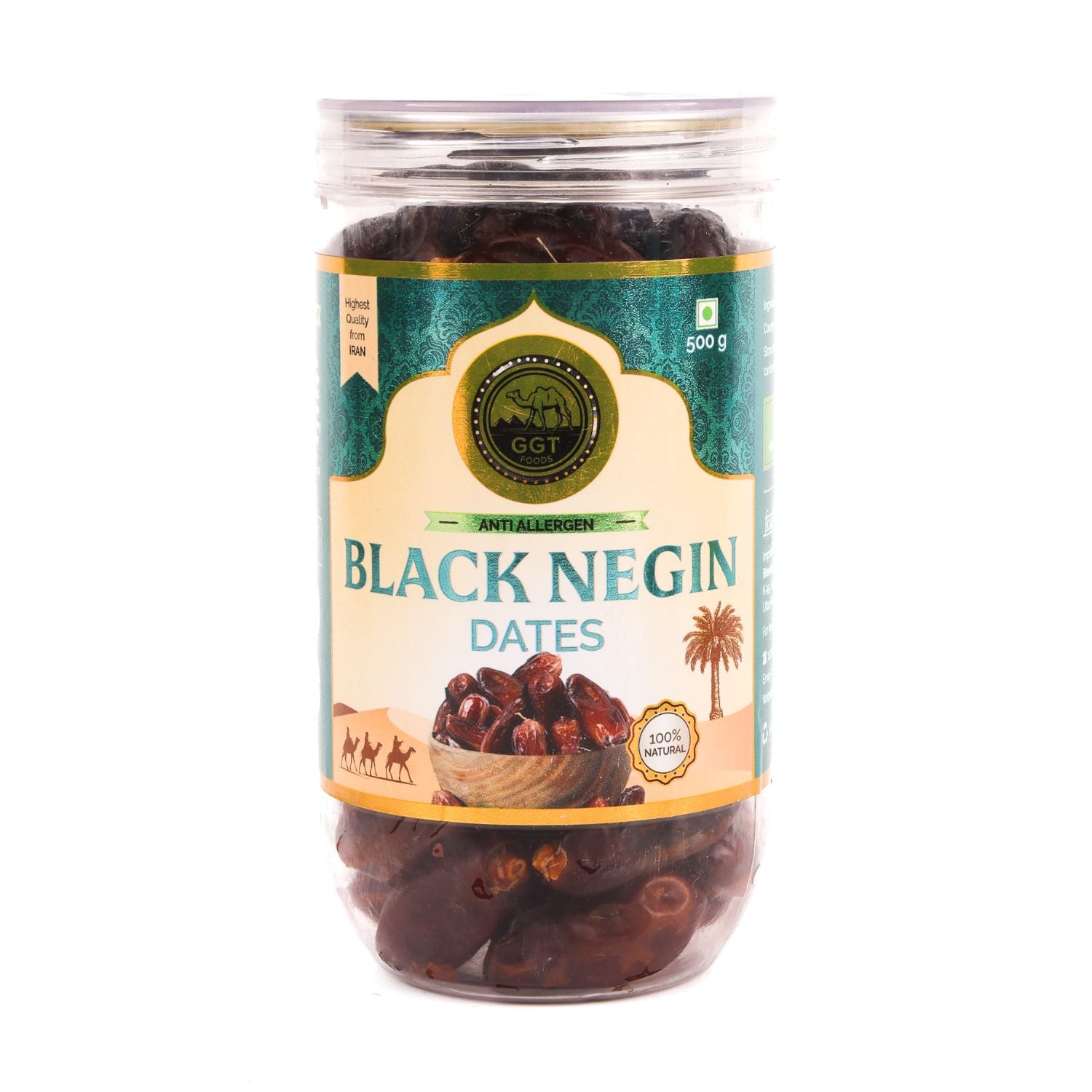
₹ 449
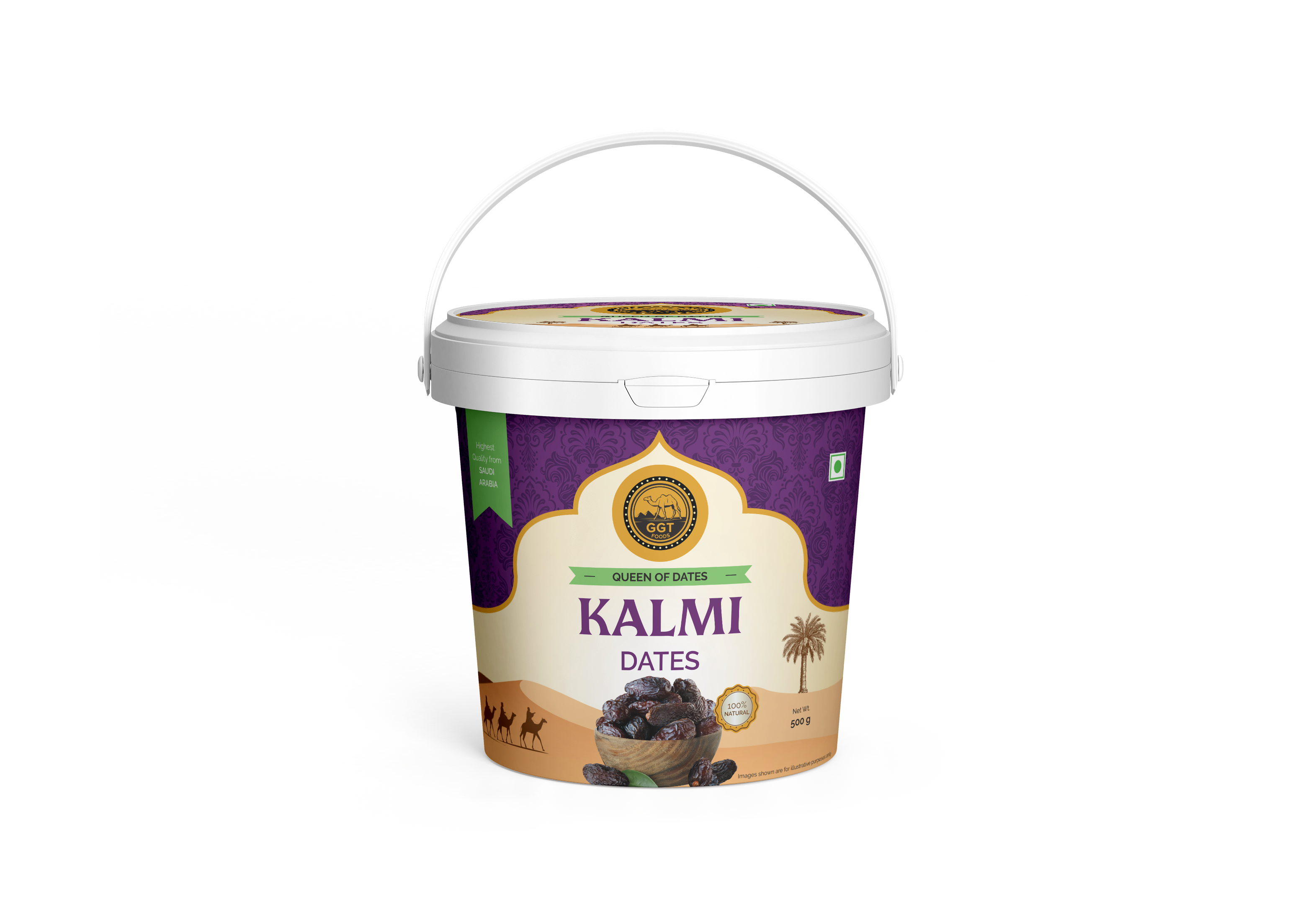
₹ 749

₹ 899
Black Dates vs Brown Dates: Key Differences at a Glance
A quick brown dates vs black dates comparison reveals four practical distinctions:
- Colour: Ajwa is often dark brown-black, whereas Zahidi appears golden-brown. Neither colour proves freshness or superior nutrition.
- Digestive constipation: The fibre provides stool bulk; prunes give texture: Kimia has an extra moisture content with a very soft texture; Mabroom has a firm texture. There are different types of category in each colour.
- Flavour: Some dark dates have a very sweet flavour; some of the brown dates have a mild flavour. Sugar content depends on variety and ripeness.
- Refrigeration: Moist and soft dates require more careful refrigeration than dry ones, especially in the humid climate of India.
When comparing black vs brown dates, examine the label, ingredients and storage advice. The most useful distinction is often soft versus semi-dry, not simply dark versus light.
Black Dates vs Brown Dates: Nutritional Comparison
Both colours offer carbohydrates, fibre and minerals. The table gives representative values for commonly sold dates, not a laboratory comparison proving one colour superior. Individual varieties and moisture content change the figures.
|
Nutrient |
Typical dates, per 100 g |
What the colour tells you |
|
Energy |
Around 277–282 kcal |
Neither shade reliably contains more |
|
Carbohydrates |
Around 75 g |
Both supply concentrated energy |
|
Natural sugars |
Around 63–67 g |
Sweetness cannot be judged by darkness |
|
Dietary fibre |
Around 6.7–8 g |
Check variety-specific nutrition labels |
|
Potassium |
Around 656–696 mg |
Both can contribute this mineral |
|
Magnesium |
Around 43–54 mg |
Amount varies across cultivars |
These reference figures reflect Medjool and Deglet Noor food-composition data; they should not be copied onto Ajwa or Kimia labels. A wetter date can provide fewer calories per 100 g than a drier one simply because it contains more water.
Health Benefits of Black Dates vs Brown Dates
The black dates benefits most relevant to everyday eating come from fibre, potassium and naturally occurring carbohydrates. These nutrients also occur in brown varieties, so deeper colour is not a shortcut to better health.
- Energy: Dates are a quick source of carbohydrates, good before a workout or after a long day.
- Digestion: Their fibre helps to promote regularity of bowel movements when combined with adequate fluid and other high-fibre foods.
- Heart-conscious eating: Potassium contributes to normal muscle and fluid functions; overall heart health also depends on a balanced diet.
- Useful plant compounds: Dates contain polyphenols although amounts vary by cultivar and processing.
- Convenient snacking: A measured serving can replace confectionery in some everyday snack situations.
Likewise, brown dates benefits include fibre, minerals and natural sweetness. The black dates benefits are not established cures for anaemia, diabetes or hormonal problems. Similarly, brown dates benefits should not be confused with claims of guaranteed weight loss or disease prevention.
Black Dates vs Brown Dates: Which Is Better for Your Goal?
There is no universal winner in brown dates vs black dates. Choose by your preferred texture, portion size and intended recipe.
- For energy before exercise: Both work. Pair one or two small dates with nuts, or choose a large Medjool only after considering its bigger portion.
- For weight gain: Searching black dates for weight gain may suggest they uniquely build weight. They do not. The relevant factor is a sustained calorie surplus. The query black dates vs brown dates for weight gain has the same answer: Either can add energy when eaten in a balanced meal plan.
- For weight management: Dates can be a part of a portion-controlled diet, but the natural sugar in them does add calories. Instead of eating a lot of dates you can have curd or nuts with dates.
- For cooking: Soft Kimia blends easily into smoothies. Firm Zahidi or Mabroom often works neatly in chopped fillings and homemade khajoor laddoos.
- For gifting: Presentation, pack integrity and origin matter more than colour. The best dates in India for gifting might be large Medjool or neatly packed Ajwa, depending on taste and budget.
A black vs brown dates choice is ultimately about variety and intended use, not a medically proven ranking.
How to Identify Good Quality Dates
The best dates in India should look and smell fresh, irrespective of shade. Use this buying checklist.
|
Quality check |
What to look for |
What to avoid |
|
Colour and surface |
Natural variation within the variety |
Unexplained dyes or suspicious coatings |
|
Texture |
Soft or firm as expected for that cultivar |
Slime, unusual dryness or damaged fruit |
|
Aroma |
Pleasant, characteristic date fragrance |
Sour, alcoholic or fermented smell |
|
Cleanliness |
Intact fruit without visible insects |
Insect holes, mould or debris |
|
Label |
Clear variety, ingredients, weight and date |
Missing information or broken seals |
|
Packaging |
Airtight pack suited to the fruit |
Leaks or excess condensation |
White sugar crystals can sometimes appear naturally, especially on softer dates. However, fluffy growth, strange smells or visible mould are reasons to discard the fruit rather than taste it.

₹ 449

₹ 349

₹ 499
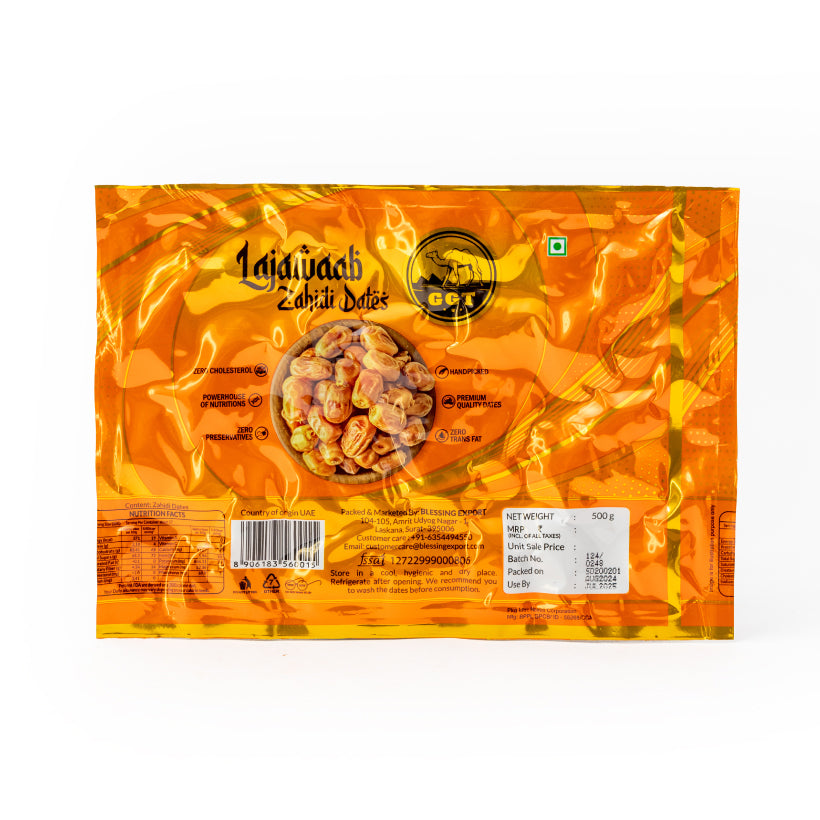
₹ 299
How to Choose and Store Black and Brown Dates
Start by checking whether the pack contains soft, semi-dry or dry dates. This is more useful than treating black dry dates vs brown dry dates as two fixed categories: drying level and cultivar can change independently of shade.
Use these simple storage practices:
- After opening: Transfer dates to a clean, airtight container. Avoid repeatedly touching them with wet hands.
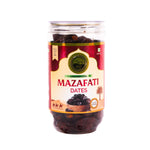
- Soft varieties: Refrigerate high-moisture dates such as Kimia or Mazafati, especially during Indian summers.
- Firm varieties: Follow the pack's storage instructions. A cool, dry place may suit some unopened semi-dry packs, but refrigeration maintains quality longer.
- Long-term storage: Freezing in a sealed container can preserve quality. Thaw only the portion needed.
- Before eating: Remove the pit and inspect for spoilage. Offer pitted, safely cut pieces to children.
A serving for everyday use would be 1-6 small dates, adjusted for size, total energy intake and individual needs. Dates can be part of a personal eating plan for people with diabetes, but portion size still matters.
Why Choose GGT Foods for Quality Dates?
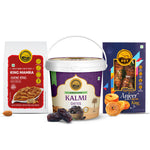
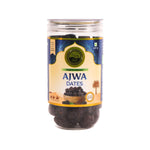
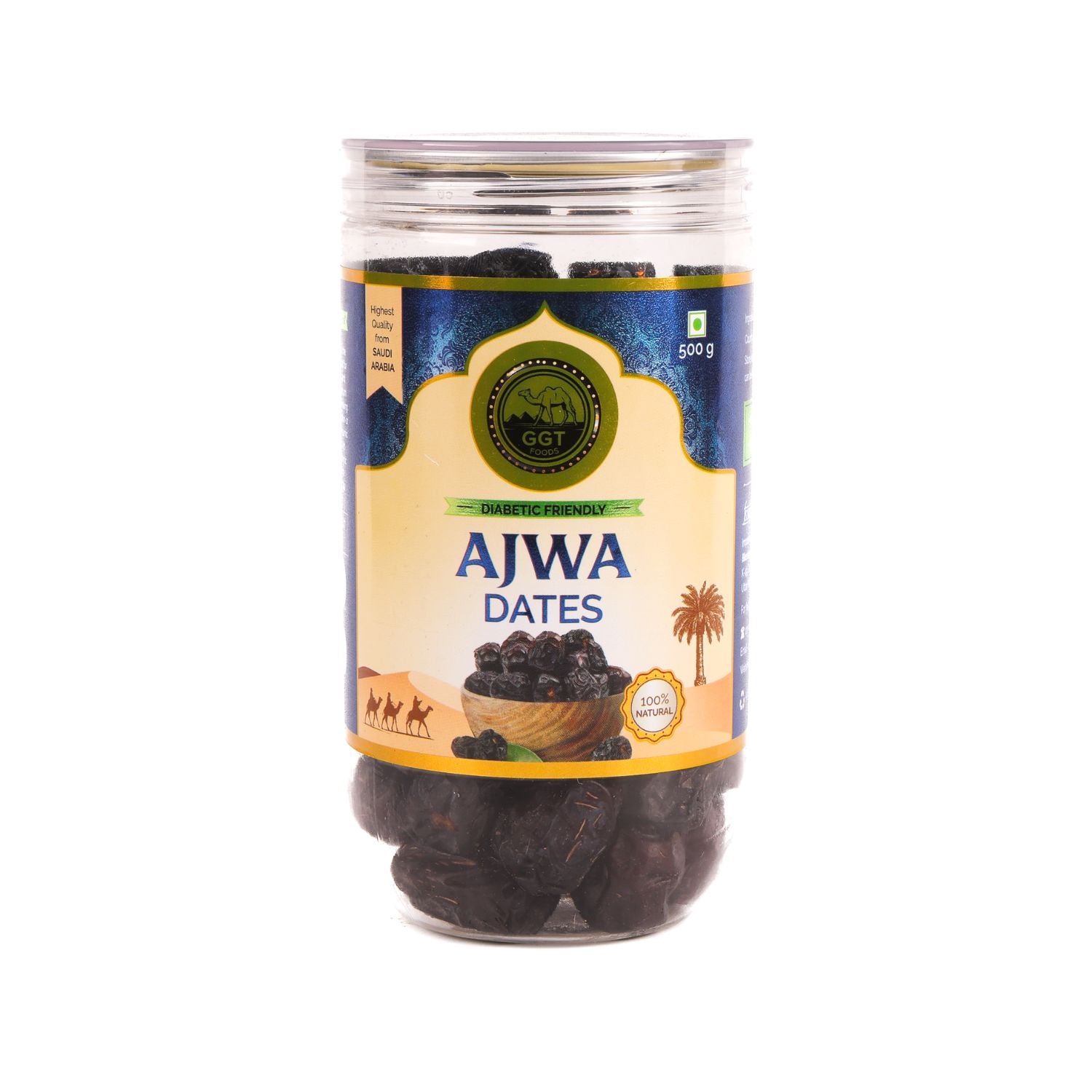
GGT Foods draws on more than 25 years of experience in Delhi's Khari Baoli dry-fruit trade. Its range includes dark Ajwa, Kalmi and Kimia alongside brown Medjool, Mabroom and Zahidi, making variety-led shopping simpler for Indian families.
Shoppers searching for the best dates in India can compare origin, sweetness, texture and pack size rather than assuming darker means healthier. GGT Foods emphasises careful sourcing, selection and protective packaging to help preserve natural flavour and freshness.
If you are buying dates online, ensure you can see the names of the variety and the ingredients. GGT Foods has a range of formats for household snacking, festive gifting and cooking, based on its “God Given Treasures” philosophy.
Explore dates online through GGT Foods to choose authentic khajoor for your needs. Whether you enjoy soft Kimia with breakfast or chewy Mabroom as an afternoon snack, the better purchase is the one that matches your taste, storage conditions and serving habits.
FAQs on Brown Dates vs Black Dates
Are black dates better than brown dates?
Neither is objectively better, both are nutritionally excellent, but they do vary slightly in terms of antioxidants and sweetness.
Why are some dates black and others brown?
The colour variations are mainly due to the variety of date palm and to the stage of maturity.
Are black dates better for weight gain than brown dates?
Brown dates are generally better for weight gain due to their higher natural sugar and calorie content.
Which dates are best for everyday consumption?
Black dates like Ajwa are best to be taken daily as they have a good balance of sugar and high mineral content.
Which dates contain more fibre?
Brown dates tend to have slightly more dietary fibre, making them highly beneficial for digestive health.
Which dates are the sweetest?
There is a brown variety (Medjool dates) and they are much sweeter with a rich sugar profile that tastes like caramel.
How many dates should I eat daily?
Eating three to five dates per day provides optimal nutritional benefits without overloading on daily calories.


