
![Irani Mamra Almond Oil [Wood Pressed Oil]](http://www.ggtfoods.com/cdn/shop/files/Irani_Mamra_Almond_Oil_150x.png?v=1750315719)












The brain requires a steady supply of energy, healthy fats, protein, vitamins, minerals and protective plant compounds to work well. There isn’t one particular food or brain dry fruit that can give you an instant memory or intelligence boost, but a healthy diet can help you get the nutrients needed for normal brain function, concentration and long term cognitive wellness.
Several of these nutrients can be conveniently obtained from nuts and dried fruits, and adding them to daily meals can be beneficial. This guide will cover the dry fruits for brain health that can be added to a well-rounded diet, how their nutrients benefit cognitive function, suitable options for various age groups, and effective ways to include them in the diet.
Whether you need dry fruits to increase brain power, or you want to add more nutritious snacks, the focus needs to be on dietary variety, appropriate portions and consistent good habits.
Key Takeaways: Dry Fruits for Brain
- Walnuts, almonds, cashews, pistachios and raisins are the top 5 dry fruits for brain health and memory
- Dry fruit benefits the brain by supporting brain health and providing essential healthy fats, vitamins and antioxidants that protect memory and boost focus.
- GGT Foods offers the facility to buy dry fruits online and get the health benefits of dry fruits for brain.
What Makes Dry Fruits Good for Brain Health?
Dry fruits and nuts can be valuable because they combine several nutrients associated with normal nervous-system function. Walnuts, almonds, pistachios, cashews, raisins, dates, and figs each provide different nutritional strengths rather than doing the same job.
The most useful qualities include:
- Healthy fats: The walnuts contain the plant source of omega-3 ALA and the almonds and pistachios contain mainly unsaturated fats.
- Protein: Nuts provide an essential plant-based protein required by the body to maintain tissue repair.
- Magnesium: Maintains healthy nerves and muscles and helps in producing energy.
- Dietary fibre: It ensures good digestion and overall good nutrition of the body.
- Vitamin E: Vitamin E acts as an antioxidant for protection against oxidative damage
- Copper and Iron: Required for proper transport of oxygen in the body and energy metabolism
- Zinc: For proper function of the immune system and the cells.
- Polyphenols: Plant substances having antioxidant properties.
These properties explain why many people include brain booster dry fruits in breakfast bowls, snacks and study-time meals. The term dry fruit good for brain is best understood as a nutritional category rather than a claim that one food can independently transform cognitive ability.

Nutrients in Dry Fruits That Support Brain Health
Different nutrients contribute to different aspects of neurological and metabolic health. The table below makes the connection easier to understand.
|
Nutrient |
Common Sources |
Brain-Supporting Role |
|
Omega-3 ALA |
Walnuts |
Supports healthy cell membranes and overall brain nutrition |
|
Vitamin E |
Almonds, hazelnuts |
Helps protect cells from oxidative stress |
|
Magnesium |
Almonds, cashews, pumpkin seeds |
Supports normal nerve and energy metabolism |
|
Zinc |
Cashews, pumpkin seeds |
Contributes to normal cellular and immune function |
|
Iron |
Raisins, dried apricots, figs |
Supports oxygen transport and energy production |
|
Copper |
Cashews, dates, walnuts |
Supports normal energy and nervous-system processes |
|
Potassium |
Dates, raisins, figs |
Supports normal nerve and muscle function |
|
Polyphenols |
Raisins, dates, walnuts |
Contribute antioxidant protection |
|
Protein |
Almonds, pistachios, cashews |
Supports overall tissue maintenance |
|
Fibre |
Figs, prunes, raisins, almonds |
Supports digestive health and dietary balance |
These nutrients are why dry fruits for healthy brain routines are usually more beneficial when several varieties are combined instead of relying on one ingredient.
10 Best Dry Fruits for Brain Health
Here are ten practical choices and the nutritional qualities that make them useful in a balanced diet.
-
Walnuts
Walnuts are among the most popular best dry fruits for brain nutrition because they provide ALA omega-3 fatty acids, healthy fats, copper, and polyphenols. They are an easy addition to breakfast bowls and snacks.
-
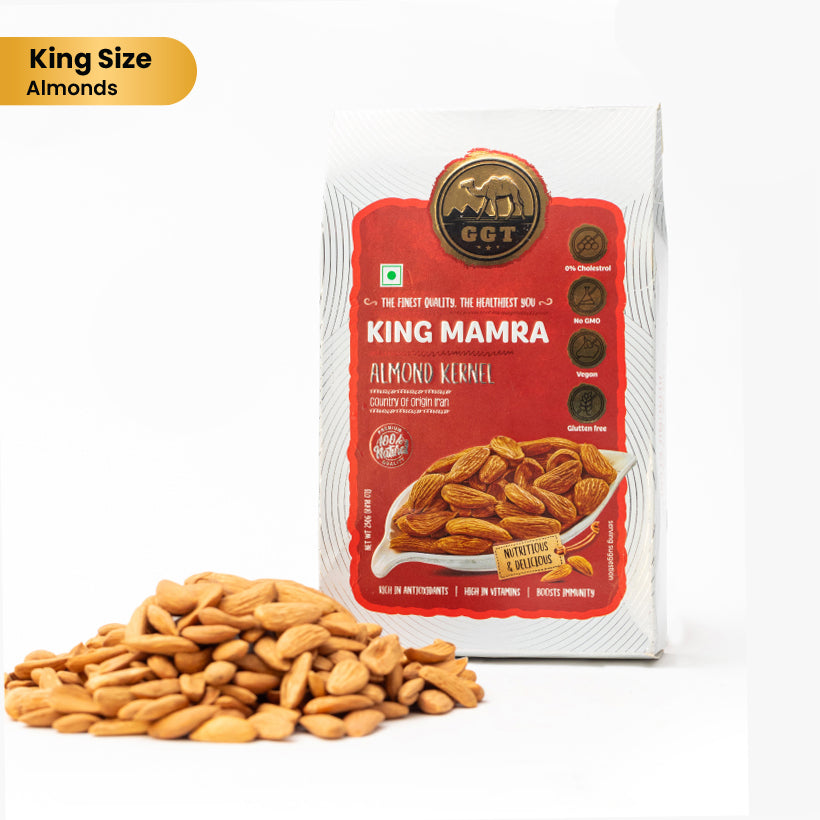
Almonds
Almonds provide vitamin E, magnesium, protein and healthy fats. They are a versatile brain dry fruit that can be eaten soaked, raw, chopped or ground into meals.
- Pistachios
Pistachios offer protein, healthy fats, vitamin B6, copper, and potassium. Their nutrient combination makes them one of the useful brain booster dry fruits for everyday snacking.
-
Cashews
Cashews are rich in copper, magnesium, and healthy fats. Copper contributes to normal nervous-system function and energy metabolism.
-
Raisin
Raisins provide carbohydrates for energy along with potassium, iron and polyphenols. Their concentrated sweetness means portions should remain moderate.
-
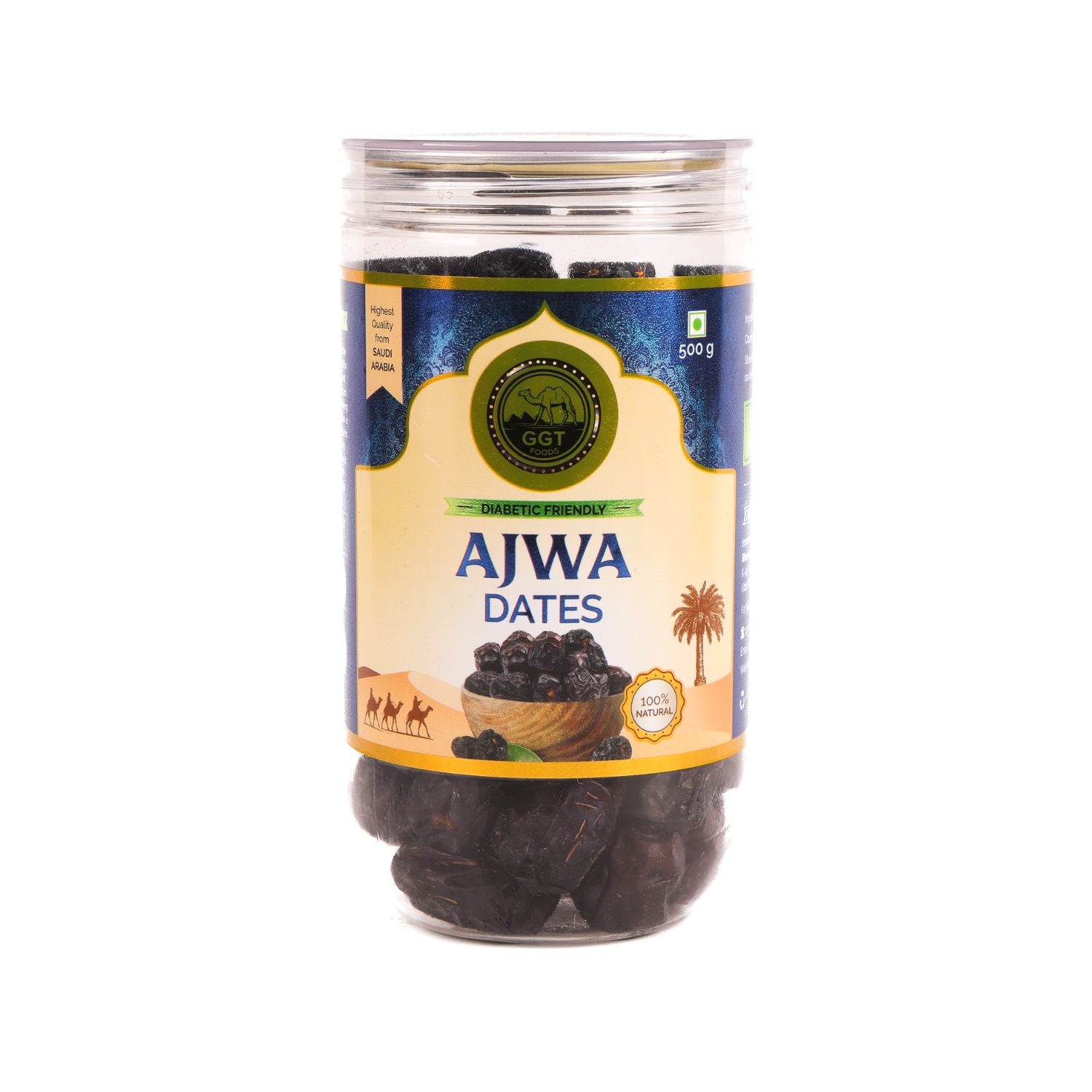
Dates
Dates provide natural carbohydrates, potassium, magnesium and copper. They are especially convenient when you need a portable energy-containing snack.
-
Dried Figs
Figs contribute calcium, magnesium, potassium, and fibre. Their fibre content also makes them useful as part of a broader balanced diet.
-
Dried Apricots
Dried apricots provide carotenoids, iron, potassium, and copper. They add nutritional variety while offering naturally sweet flavour.
-
Prunes
Prunes provide fibre, potassium, copper and plant compounds. Their digestive benefits can support overall dietary wellness.
-
Hazelnuts
Regular, healthy snack and meal options also include hazelnuts, a source of vitamin E, healthy fats, copper and manganese.
No single brain like dry fruit can replace a balanced eating pattern. The strongest strategy is to rotate a few nutrient-rich options while also prioritising adequate sleep, hydration, exercise and regular meals.
Dry Fruits for Brain: Nutritional Comparison
A side-by-side comparison can help identify which varieties fit specific nutritional goals.
|
Dry Fruit |
Notable Nutrients |
Primary Dietary Strength |
|
Walnuts |
Omega-3 ALA, copper, polyphenols |
Healthy fats and antioxidant compounds |
|
Almonds |
Vitamin E, magnesium, protein |
Antioxidant and mineral intake |
|
Pistachios |
Protein, B6, copper |
Protein and micronutrient variety |
|
Cashews |
Copper, magnesium, protein |
Mineral and energy metabolism support |
|
Raisins |
Iron, potassium, polyphenols |
Energy and mineral contribution |
|
Dates |
Potassium, magnesium, copper |
Convenient carbohydrate source |
|
Dried Figs |
Fibre, calcium, magnesium |
Fibre and mineral intake |
|
Dried Apricots |
Potassium, iron, carotenoids |
Micronutrient variety |
|
Prunes |
Fibre, potassium, copper |
Digestive and mineral support |
|
Hazelnuts |
Vitamin E, manganese, healthy fats |
Antioxidant and healthy-fat intake |
Walnuts and almonds are especially popular choices for consumers looking for dry fruits for brain power but the broader selection offers more nutrients

Best Dry Fruits for Brain Health for Different Age Groups
Nutritional priorities change across life stages, so the ideal selection can also change.
|
Age Group |
Useful Choices |
Key Nutritional Focus |
|
Children |
Almonds, walnuts, pistachios, raisins |
Healthy fats, protein, minerals |
|
Teenagers |
Walnuts, almonds, cashews, dates |
Energy, protein, healthy fats |
|
College Students |
Walnuts, almonds, pistachios, raisins |
Convenient energy and micronutrients |
|
Working Adults |
Walnuts, almonds, hazelnuts |
Healthy fats and satiety |
|
Older Adults |
Walnuts, almonds, figs, prunes |
Fibre, minerals, healthy fats |
For children, texture and choking safety are particularly important. Whole nuts should only be offered when developmentally appropriate. Young children may need nuts finely ground, minced, or provided as an age-appropriate nut butter.
Dry fruits for brain development can be a good addition to meals with dairy or alternatives, whole grains, legumes, vegetables, fruits and adequate protein for growing children. Adolescents may require more calories and nutrients because of the rapid growth and increased physical activity that occur during adolescence.
For older adults, fibre, healthy fats and mineral-rich foods can be useful components of a balanced eating plan. Ultimately, brain development dry fruits work best as part of an overall varied diet rather than as isolated superfoods.
Soaked vs Raw Almonds/Walnuts: Which Is Better for the Brain?
Soaking almonds or walnuts can make them softer and easier for some people to chew and digest. But soaking them doesn’t instantly make them more brain effective or change their nutritional role dramatically.
|
Factor |
Soaked |
Raw |
|
Texture |
Softer |
Crunchier |
|
Preparation |
Requires advance planning |
Ready to eat |
|
Convenience |
Best for home routines |
Better for travel and work |
|
Taste |
Mild and softer |
Richer, more pronounced crunch |
|
Brain nutrition |
Still nutrient-dense |
Still nutrient-dense |
|
Best option |
Personal preference |
Personal preference |
The best dry fruits for brain health are therefore the ones you can consume consistently in appropriate portions. Soaking can be a useful preparation method, but overall dietary quality matters more than preparation style.
Easy Ways to Add Dry Fruits to Your Daily Diet
The best routine is simple enough to maintain every day.
- Breakfast bowl: Add chopped walnuts, almonds, or pistachios to oats, porridge, yoghurt, or muesli.
- Smoothies: Blend almonds or walnuts with fruit, milk or an unsweetened alternative.
- Study snack: Carry a measured portion of mixed nuts and a few raisins or dates.
- Lunch topping: Sprinkle chop ped nuts over salads, grain bowls, or homemade meals.
- Evening snack: Pair almonds or walnuts with fresh fruit for greater dietary variety.
- Homemade trail mix: Combine nuts, seeds, and a small amount of dried fruit.
- Breakfast timing: Morning is a convenient time because dry fruits can easily be paired with the first meal of the day.
- Workout timing: Dates or raisins can provide carbohydrates around exercise, while nuts add healthy fats and protein.
Moderate consumption is generally more practical than large quantities at once. For many healthy adults, a small handful of nuts and a small amount of brain dried fruit make a convenient starting point.
Brain Dry Fruits: Safety Tips and Precautions
Even nutritious foods can become less beneficial when portions or preparation are not considered.
- Control portion sizes: These foods are rich in energy; hence, excess consumption will add many calories to your body.
- Watch added sugar: Choose plain dried fruits instead of syrup-coated, candied, or chocolate-covered products.
- Limit excess salt: Frequent consumption of heavily salted nuts can increase sodium intake.
- Check freshness: Avoid products with mould, unusual moisture, rancid odour, or bitter taste.
- Consider allergies: Tree nuts can trigger allergic reactions, so known allergens should be avoided.
- Protect young children: Whole nuts may be choking hazards and should be prepared according to age and developmental readiness.
- Do not depend on one food: The dry fruits benefits for brain are complementary and should be considered alongside overall diet quality.
- Choose appropriate timing: There is no universal timing rule; morning or daytime often works well, while very large portions immediately before sleep may feel uncomfortable.
- Stay hydrated: Fibre-rich foods work best alongside adequate fluid intake.
- Keep variety: Rotating different foods provides a wider range of nutrients than relying on one brain type dry fruit.
Why Choose GGT Foods for Premium Dry Fruits Online?
If you are buying dry fruits online, variety is as important as quality, freshness, sourcing and packaging. GGT Foods is dedicated to carefully sourcing nuts and dried fruits with an emphasis on clean handling, premium selection and packaging that emphasises on freshness.
This brand’s wide variety of products makes it easy to create a diverse pantry, with walnuts, almonds, pistachios, dates, figs, raisins and other healthy options. This makes it easier to create everyday combinations that support dry fruits for brain nutrition without depending on processed snacks.
GGT Foods reflects its “God Given Treasures” philosophy by bringing minimally processed, carefully selected foods to Indian households. So for consumers looking for dry fruits for healthy brain eating patterns, choosing quality dry fruits and balanced portions can turn these nutrient-rich foods into practical everyday staples.
FAQs on Dry Fruits for Brain
Which dry fruit is best for the brain?
Walnuts are best because they contain high levels of DHA an essential omega-3 fatty acid.
Which dry fruits are good for memory?
Almonds, walnuts and raisins are exceptional choices for strengthening memory power and mental clarity
Can dry fruits improve concentration?
Yes, their rich antioxidants and healthy fats nourish brain cells to enhance daily focus and attention.
What is the best time to eat dry fruits?
Eating soaked dry fruits early in the morning on an empty stomach maximises vital nutrient absorption.
Can dry fruits improve a child's brain development?
Yes, the vital nutrients in dry fruits help in cognitive growth, sharp thinking and overall brain development
Do dry fruits help prevent memory loss in old age?
Yes, their strong antioxidants protect brain cells from age-related damage and support long-term memory functions.