![Irani Mamra Almond Oil [Wood Pressed Oil]](http://www.ggtfoods.com/cdn/shop/files/Irani_Mamra_Almond_Oil_150x.png?v=1750315719)



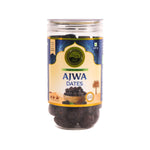





Two dates. Two completely different tastes. Medjool dates vs Ajwa dates is one of the most common comparisons in the dry fruit world, and for good reason. Both are premium, both are nutritious, and both sell at prices well above regular market dates. But they are not interchangeable, and picking the right one without knowing the difference is like choosing between two medicines without reading the label.
Medjool dates are large, caramel-sweet, and packed with fast energy. Ajwa dates are smaller, darker, less sweet, and carry one of the highest antioxidant profiles among all commercially available date varieties. One is the king of taste. The other is the king of therapeutic nutrition. This guide breaks down Medjool dates vs Ajwa dates across origin, nutrition, health benefits, and practical daily use so you can make an informed choice rather than a random one.
Key Takeaways
- Medjool dates vs ajwa dates comes down to purpose: Medjool for energy, fiber, and cooking versatility; Ajwa for antioxidant protection, heart health, and blood sugar control.
- Medjool dates vs ajwa dates nutrition shows nearly identical calories and carbs but Ajwa wins on glycemic index and polyphenols while Medjool leads on potassium and fiber per piece.
- Whether you order Ajwa dates online for morning therapeutic use or Medjool dates online for daily snacking and recipes, buying from a verified source determines the quality you actually receive.
Medjool Dates vs Ajwa Dates: Primary Differences
What Are Medjool Dates?
Medjool dates trace back to Morocco, where they were kept strictly for royalty and high-ranking guests, never sold in common markets. The name Medjool comes from an Arabic word meaning "unknown," a reference to the variety's unclear early origins. For centuries Morocco held the only supply, until the 1920s when eleven offshoots were brought to the United States to protect the variety from a disease wiping out North African date palms.
Today California's Coachella Valley grows the majority of commercially available Medjool dates alongside growers in Israel, Jordan, and the UAE. California alone produces millions of pounds annually through large-scale mechanized farming.
Key characteristics of Medjool Dates:
- Origin: Morocco historically; now primarily California USA, Israel, Jordan, UAE
- Size: Large, 4 to 5 cm per piece
- Color: Golden-brown to deep amber
- Texture: Soft, fleshy, moist, and chewy
- Taste: Intensely sweet with a rich caramel depth
- Cultivation: Large-scale commercial farming, mechanized harvesting
- Oil content: Low
- Shelf life: 6 to 9 months refrigerated
- Best suited for: Pre and post-workout fuel, desserts, baking, smoothies, natural sweetening
Source: USDA FoodData Central, FDC ID 168191
What Are Ajwa Dates?
Ajwa dates grow only in Madinah, Saudi Arabia. The Al-Awali region's soil, altitude, and dry climate produce a fruit that no other location has managed to replicate. Dates labeled Ajwa from outside Madinah are not genuine, and the Saudi Food and Drug Authority (SFDA) regulates authentic origin labeling to prevent mislabeling in trade.
Each Ajwa tree yields far less fruit per season than any commercial date variety. Harvesting is done entirely by hand, no machinery involved at any stage. Low yield plus hand-harvesting keeps supply tight and prices high regardless of how much demand rises in any given year.
Ajwa dates carry deep significance in Islamic tradition. A Hadith narrated by Amir bin Saad states that whoever eats seven Ajwa dates in the morning will not be harmed by poison or magic that day. The reference appears in Sahih al-Bukhari (5445) and Sahih Muslim (2047), which is why Ajwa dates hold a category of reverence no other date variety carries.
Key characteristics of Ajwa Dates:
- Origin: Madinah, Saudi Arabia exclusively
- Size: Small, 2 to 3 cm per piece
- Color: Deep black to very dark brown
- Texture: Soft but slightly dry, dense flesh
- Taste: Mildly sweet with an earthy, faintly spiced undertone
- Cultivation: Traditional, low-yield, hand-harvested
- Oil content: Low to moderate
- Shelf life: 12 or more months refrigerated
- Best suited for: Morning fasted consumption, cardiac health, antioxidant intake, blood sugar management
Source: Saudi Food and Drug Authority
Side by Side: Key Differences Between Medjool Dates & Ajwa Dates
|
Feature |
Medjool Dates |
Ajwa Dates |
|
Origin |
Morocco, USA, Israel, Jordan |
Madinah, Saudi Arabia only |
|
Size |
Large (4 to 5 cm) |
Small (2 to 3 cm) |
|
Color |
Golden-brown to amber |
Deep black |
|
Texture |
Soft, moist, chewy |
Soft, slightly dry |
|
Taste |
Very sweet, caramel |
Mildly sweet, earthy |
|
Glycemic Index |
50 to 55 |
42 to 49 |
|
Antioxidant Density |
High |
Very High |
|
Harvest Method |
Mechanized |
Hand-harvested |
|
Religious Significance |
None specific |
Sunnah, referenced in Hadith |
|
Price in India |
Premium |
Higher premium |
|
Shelf Life |
6 to 9 months |
12 or more months |
Nutritional Comparison Between Medjool Dates and Ajwa Dates
On the surface, both varieties look identical in calories and carbohydrates. The real differences lie in glycemic response, antioxidant concentration, and specific mineral levels, which is where daily health outcomes actually diverge.
|
Nutrient (per 100g) |
Medjool Dates |
Ajwa Dates |
|
Calories |
277 kcal |
277 kcal |
|
Total Carbohydrates |
75g |
75g |
|
Natural Sugars |
66.5g |
66g |
|
Dietary Fiber |
6.7g |
7g |
|
Protein |
1.8g |
2.5g |
|
Fat |
0.15g |
0.2g |
|
Potassium |
696mg |
652mg |
|
Magnesium |
54mg |
54mg |
|
Calcium |
64mg |
64mg |
|
Iron |
0.9mg |
1mg |
|
Copper |
0.362mg |
0.4mg |
|
Glycemic Index |
50 to 55 |
42 to 49 |
|
Antioxidant Density |
High |
Very High |
Sources: USDA FoodData Central FDC ID 168191 for Medjool
Ajwa data referenced from Al-Shahib W, Marshall RJ (2003), "The fruit of the date palm: its possible use as the best food for the future?" International Journal of Food Sciences and Nutrition, 54(4), 247-259.
Three numbers stand out in medjool dates vs ajwa dates nutrition. First, Ajwa carries a meaningfully lower glycemic index at 42 to 49 versus Medjool's 50 to 55, which matters for anyone watching blood sugar. Second, Ajwa has higher protein at 2.5g versus 1.8g per 100g. Third, Medjool carries more potassium at 696mg versus 652mg, which gives it a slight edge for blood pressure and electrolyte replenishment after exercise. The antioxidant gap favors Ajwa clearly, though this is harder to quantify in a single number.

Health Benefits of Medjool Dates and Ajwa Dates
Heart Health
Ajwa dates carry the stronger cardiac profile of the two. Multiple published studies have found that Ajwa date extracts contain elevated levels of polyphenols, flavonoids, and phenolic acids compared to other date varieties, including Medjool. These compounds bring down inflammation in arterial walls, shield cardiovascular tissue from oxidative wear, and slow platelet aggregation, the clumping process that blocks arteries and triggers clots.
A study published in the Journal of Agricultural and Food Chemistry found significant cardioprotective activity in Ajwa date extracts at the cellular level. The lower glycemic index adds another layer: smaller insulin spikes mean less inflammatory load on blood vessels across years of daily eating.
Medjool dates contribute to heart health through potassium, 696mg per 100g, which counteracts sodium and helps arterial walls stay relaxed. For blood pressure management, Medjool is a reliable daily tool. For deeper cardiac protection at the cellular level, Ajwa pulls ahead.
Energy and Physical Performance
Three Medjool dates contain more total carbohydrate, more sugar, and more physical mass than three Ajwa dates. For anyone training, Medjool is the practical pre-workout choice. Glucose from Medjool enters the bloodstream fast. Fructose follows through the liver at a steadier pace. Together they cover both immediate and sustained energy needs during a session.
Post-workout, three to four Medjool dates alongside a protein source replenishes muscle glycogen and replaces potassium lost through sweat. Endurance athletes across the Middle East and North Africa have used Medjool dates as race fuel for decades because the fruit works consistently without synthetic ingredients.
Ajwa dates do provide energy, but three pieces deliver far less total carbohydrate than three Medjool dates simply because of size. For a training session that demands quick glycogen loading, that gap matters. Ajwa fits better as a steady daily energy source eaten through the day rather than a targeted pre-workout snack.
Blood Sugar Management
Ajwa dates have a glycemic index of 42 to 49, putting them firmly in the low GI range. Medjool dates sit between 50 and 55, which is moderate. For people managing pre-diabetes, insulin resistance, or trying to avoid the energy slumps that follow high-GI foods, this gap is meaningful across daily eating.
Pairing either variety with a fat or protein source, almonds, walnuts, curd, or cheese, brings the glycemic response down further regardless of which variety you choose. Three Ajwa dates with a handful of almonds produce a noticeably smaller blood sugar rise than three Ajwa dates eaten alone.
Antioxidant and Immune Protection
Ajwa dates carry more polyphenols and flavonoids per gram than Medjool, and this gap shows up consistently across comparative studies. These compounds work at the cellular level, neutralizing free radicals, pulling down chronic inflammation, and blocking the oxidative damage that builds quietly over years before showing up as disease.
For long-term immune resilience and cellular protection, Ajwa delivers more per gram than Medjool. The difference is not marginal in this category. People who eat Ajwa daily for its antioxidant protection are making a nutritionally sound choice, not just following tradition.
Digestive Health
Both varieties carry dietary fiber between 6.7g and 7g per 100g. Both contain sorbitol, which softens stool and relieves constipation. Both feed beneficial gut bacteria through their prebiotic fiber content.
The practical difference here is portion size. Three Medjool dates deliver more total fiber per eating occasion than three Ajwa dates purely because Medjool pieces are three to four times larger. For men and women specifically targeting digestive support, Medjool gives more fiber volume per handful.
Bone Health
Both varieties carry identical calcium at 64mg per 100g and similar magnesium and phosphorus. No meaningful advantage exists for either variety on bone health specifically. Both contribute to daily mineral intake for bone density when eaten regularly.

Medjool Dates vs Ajwa Dates: Which One Is Healthier?
Neither is universally healthier. Framing the question that way leads to the wrong answer every time. The right question is which one is healthier for your specific goal right now.
Ajwa is the better choice when:
- Cardiac protection and arterial health are the priority
- Blood sugar management or insulin sensitivity is a concern
- Maximum antioxidant intake per calorie matters
- You follow Sunnah practice and want spiritual and nutritional alignment
- Calorie control is important and smaller portion sizes work in your favour
Medjool is the better choice when:
- You train regularly and need reliable workout fuel
- Digestive fiber and gut health are the daily focus
- Cooking, baking, desserts, and smoothies are the main use case
- You want a sweeter, more palatable daily date for children or family
- Potassium intake for blood pressure is the specific health goal
When to use both:
Keeping both at home and rotating them by purpose gives broader nutritional coverage than either alone. Ajwa in the morning for antioxidants and blood sugar stability. Medjool before training or in recipes for energy and fiber. The combined approach costs more upfront but delivers more across every health dimension that dates can support.
Easy Ideas to Include Dates in Your Everyday Diet
- Morning fasted (Ajwa): Two to three Ajwa dates on an empty stomach before breakfast, followed by warm water. The digestive system absorbs nutrients from a fasted state more efficiently, and this is the traditional Sunnah timing for Ajwa consumption.
- Pre-workout (Medjool): Two to three Medjool dates thirty minutes before training. The glucose-fructose combination fuels both immediate and sustained output through a session without synthetic ingredients.
- Post-workout (Medjool): Three to four Medjool dates with a protein source within thirty minutes of finishing training. Curd, eggs, or paneer alongside dates covers glycogen replenishment and muscle repair in one meal.
- Breakfast smoothie (Medjool): One blended Medjool date in a banana-milk or almond milk smoothie replaces two teaspoons of sugar and adds fiber, potassium, and antioxidants the sugar never carried.
- Oats and daliya (either variety): Chop half a Medjool date into warm oats with cinnamon and almonds for a breakfast that holds energy flat through mid-morning. Ajwa dates mashed into daliya add subtle sweetness without overpowering the grain.
- Stuffed snack (Medjool): Pit a Medjool date, fill with almond butter or a walnut half, and eat as a mid-day snack. Natural sugar, healthy fat, and protein in one piece keeps hunger away for two to three hours.
- Dessert and baking (Medjool): Date paste made from blended Medjool dates replaces refined sugar at a one-to-one ratio in cookies, energy balls, oat ladoos, and banana muffins with no adjustment needed.
- Night recovery (either variety): Two dates with warm milk an hour before bed. Magnesium and tryptophan in dates support melatonin production. The casein in milk provides slow amino acid release through the night.
- Gifting (Ajwa or Jumbo Medjool): A premium box of Ajwa dates or Jumbo Medjool dates carries more cultural and nutritional weight than most standard gifting options. Both communicate care and quality in a way processed sweets do not.
Why Choose GGT Foods for Premium Dates Online in India
Buying dates online in India looks straightforward until you receive a box of dry, glucose-coated, flat-tasting pieces that bear no resemblance to what fresh premium dates should taste like. Most marketplace listings do not disclose harvest season, storage conditions, or whether the dates have been treated with glucose syrup to restore shine lost during long storage.
GGT Foods sources directly:
- Ajwa dates from verified Madinah suppliers, available in standard and Jumbo formats with clear origin labeling
- Medjool dates in large and jumbo sizes, naturally moist, plump, and free of glucose coating or added sugar
- Full range also covers Kalmi, Kimia, Mazafati, Mabroom, Negin, Zahidi, Khaneizi, and Fard dates for variety and gifting
- Hygienic handling and packaging with no artificial preservatives
- Fast delivery to most Indian addresses with packaging that protects texture in transit
When you order Medjool dates online or buy Ajwa dates online through GGT Foods, the fruit arrives in its actual natural state. No dressing up old stock. No ambiguous origin claims. Just clean, fresh, premium dates at honest pricing.
FAQs on Medjool Dates vs Ajwa Dates
Which is sweeter: Medjool or Ajwa?
Medjool dates are far sweeter with a rich caramel flavour. Ajwa dates are mildly sweet with an earthy undertone, noticeably less sugary in every bite.
Are Ajwa dates healthier than Medjool?
For antioxidants and heart protection, yes. For fiber per piece and pre-workout energy, Medjool has the edge. Both are healthy; the better choice depends on your goal.
Why are Ajwa dates expensive?
Ajwa only grows in Madinah, yield is low, every harvest is done by hand, and global demand from Muslim communities never drops. That combination keeps the price high regardless of season.
How to identify good quality dates?
Fresh Ajwa should be deep black, soft but not mushy, with a matte surface and mild earthy smell. Fresh Medjool should be plump, moist, caramel-fragrant, and never shiny or sticky from glucose coating. Both should list only "dates" on the ingredient label with nothing else added.
Which dates are best for gifting?
Ajwa dates in premium packaging for Muslim recipients or formal occasions. Jumbo Medjool dates for general gifting across occasions and cultures. Both carry more meaning and nutritional value than standard mithai or chocolate boxes.
Which dates are best for weight loss?
Ajwa dates, because of their smaller size and lower glycemic index, are easier to portion without exceeding calorie targets. Three Ajwa dates carry significantly fewer total calories than three Medjool dates. Pair either with almonds or walnuts to slow absorption and extend satiety past the snack itself.