

![Irani Mamra Almond Oil [Wood Pressed Oil]](http://www.ggtfoods.com/cdn/shop/files/Irani_Mamra_Almond_Oil_150x.png?v=1750315719)











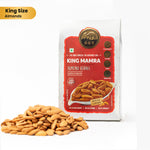
Pick up almonds from any Indian grocery store and you are almost certainly holding California almonds. Most people never question it. But walk into a premium dry fruit shop and you will find another category entirely: Indian almonds, primarily Kashmiri Mamra and Gurbandi varieties, sitting at two to four times the price with a completely different look, texture, and nutritional story.
So what actually separates Indian almonds vs California almonds? Is the price gap justified? And which one belongs in your daily diet? This guide breaks it down without hype, from origin and farming to verified nutrition numbers and honest health comparisons.
What Are Indian Almonds?
Indian almonds refer to almond varieties grown natively within India, specifically in the Kashmir valley and parts of Himachal Pradesh. The two most recognised varieties are Kashmiri Mamra and Gurbandi (also called Choti Giri). Both grow at high altitude under traditional farming conditions with no chemical fertilizers and limited mechanisation.
Key Characteristics of Indian Almonds
- Origin: Kashmir valley, Himachal Pradesh, and parts of Afghanistan bordering India
- Main varieties: Kashmiri Mamra, Gurbandi (Choti Giri)
- Cultivation: Traditional, chemical-free, hand-harvested from low-yield orchards
- Oil content: Mamra carries 45 to 50 percent natural oil; Gurbandi runs slightly lower but still higher than California almonds
- Appearance: Small, irregular, slightly curved shape with a rough matte surface; no two pieces look identical
- Taste: Rich, buttery, and intensely flavored due to high natural oil content
- Processing: Sold raw and unprocessed; no pasteurization or chemical treatment
- GI protection: Kashmiri Mamra holds Geographical Indication tag No. 635 from the Government of India
- Price: Premium, typically 2 to 4 times higher than California almonds due to limited seasonal yield
The benefits of almonds from Indian varieties, particularly the high MUFA and PUFA concentration, are what drive their reputation in Ayurvedic practice and traditional Indian households. Soaking and peeling them overnight before eating is the standard recommendation for maximum absorption.
What Are California Almonds?
Walk into any supermarket, kirana store, or open any dry fruit listing online in India, and the almonds staring back at you are almost certainly California almonds. California's Central Valley produces close to 80 percent of global almond supply each year, which is why these nuts dominate retail shelves across every price segment in the Indian market.
Key Characteristics of California Almonds
- Origin: California's Central Valley, USA
- Main varieties: Nonpareil, Carmel, Mission, Sonora
- Cultivation: Large-scale mechanized farming with modern agricultural inputs
- Oil content: 25 to 30 percent, noticeably lower than Indian almond varieties
- Appearance: Larger, uniformly oval, smooth surface, consistent size and color from machine sorting
- Taste: Mild, slightly sweet, neutral flavor that blends without overpowering in recipes
- Processing: Pasteurized under US FDA mandate through steam treatment or PPO (propylene oxide) fumigation; PPO is banned or restricted in several countries outside the USA
- Price: Affordable and widely stocked across every retail format in India
- Best for: Daily snacking, baking, cooking, almond milk, and protein-focused diets
California almonds hold up well on protein and fiber, two nutrients that matter most for daily fitness and gut health. The benefits of eating almonds from this variety are backed by decades of research on heart health, weight management, and blood sugar stability, all at a price most Indian households can maintain without strain.

Buy Premium California Almonds Now
Indian Almonds vs California Almonds: Key Differences
The gap between Indian almonds vs California almonds goes well beyond price. Here is a breakdown across seven parameters:
Comparison Table of Indian Almonds and California Almonds
|
Parameter |
Indian Almonds (Mamra/Gurbandi) |
California Almonds |
|---|---|---|
|
Origin |
Kashmir, Himachal Pradesh, Afghanistan |
California's Central Valley, USA |
|
Cultivation |
Traditional, chemical-free, hand-harvested |
Mechanized, large-scale commercial farming |
|
Oil Content |
45 to 50% (Mamra); 35 to 40% (Gurbandi) |
25 to 30% |
|
Appearance |
Small, irregular, rough matte surface |
Large, uniform oval, smooth polished surface |
|
Taste |
Rich, buttery, intense |
Mild, sweet, neutral |
|
Processing |
Raw, unprocessed, no pasteurization |
Pasteurized (steam or PPO fumigation) |
|
Price (approx.) |
Rs 1,200 to 2,500 per 500g |
Rs 350 to 700 per 500g |
|
Shelf Life |
Sensitive to heat and moisture; refrigerate |
More stable; room temperature storage works |
|
Best For |
Brain health, therapeutic nutrition, skin |
Daily snacking, fitness, cooking, baking |
Key Differences Between Indian Almonds and California Almonds Explained
1. Farming and Processing Method
Each Indian almond is hand-picked from trees that produce small quantities per season without any chemical inputs at any stage. California almonds travel a different path: machine-harvested at scale and then pasteurized before reaching any market, as required by US FDA regulations. That pasteurization step, whether through steam or PPO chemical treatment, addresses food safety but knocks out some of the almond's natural enzymes in the process.
2. Oil and Fat Profile
This is the most nutritionally significant difference between california almonds vs indian almonds. Indian Mamra almonds carry nearly double the natural oil of California almonds. This higher oil content means more MUFA and PUFA per gram, better delivery of fat-soluble vitamins like A, D, E, and K, and a richer therapeutic effect per piece eaten.
3. Taste and Texture
Indian almonds, particularly Mamra, carry a dense crunch and a buttery, oil-forward flavor that stands on its own. California almonds taste mild and neutral, which works in their favor for kitchen use. Raw snacking and traditional recipes like kheer or halwa call for Indian almonds. Baking, almond milk, and savory cooking call for California almonds, where a strong flavor would get in the way.
4. Size and Appearance
Finding California almonds online takes thirty seconds on any major platform. Kashmiri Mamra is a different situation entirely. Genuine Indian almonds are frequently adulterated with lower-grade stock or mislabelled California almonds at inflated prices. Buying from a verified dry fruit brand is the only reliable way to get what the label actually says. The price gap in indian almonds vs california almonds traces back to real scarcity, not packaging.
5. Price and Availability
California almonds are stocked on every grocery shelf and general online platform across India at prices most households do not think twice about. Genuine Kashmiri Mamra, on the other hand, needs a verified seller. Adulteration is common in this category and low prices are almost always a red flag. The cost difference between indian almonds vs california almonds reflects limited seasonal yield and hand harvesting, not brand positioning.
Nutritional Comparison Between Indian and California Almonds
|
Nutrient (per 100g) |
Indian Almonds (Mamra) |
California Almonds |
Health Benefit |
|---|---|---|---|
|
Calories |
~620 kcal |
579 kcal |
Energy for daily activity and workouts |
|
Protein |
~18g |
21.2g |
Muscle repair, satiety, daily protein target |
|
Total Fat |
~52g |
49.9g |
Heart health, hormone production |
|
MUFA (Oleic Acid) |
Very High (~38g) |
~31g |
LDL reduction, arterial protection |
|
PUFA |
High |
Moderate |
Brain function, inflammation control |
|
Dietary Fiber |
~10g |
12.5g |
Gut health, blood sugar stability, satiety |
|
Vitamin E |
Very High |
25.6mg (171% DV) |
Antioxidant protection, skin health |
|
Magnesium |
High |
270mg |
Muscle function, sleep, nerve health |
|
Calcium |
~264mg |
264mg |
Bone density, muscle contraction |
|
Iron |
~3.7mg |
3.7mg |
Hemoglobin, energy, immune function |
|
Potassium |
~733mg |
733mg |
Blood pressure, heart rhythm |
|
Oil Content |
45 to 50% |
25 to 30% |
Fat-soluble vitamin delivery, brain health |
Sources: USDA FoodData Central FDC ID 170567 for California almonds. Indian almond values based on CFTRI (Central Food Technological Research Institute) published data and multiple independent analyses.
California almonds pull ahead on protein (21.2g vs 18g) and fiber (12.5g vs 10g). Indian almonds lead on natural oil content, MUFA concentration, and fat-soluble vitamin delivery efficiency. The benefits of almonds from both varieties are real; the difference is what each one does better.
Indian Almonds vs California Almonds: Which Should You Choose for Better Health?
The answer is not one or the other. It depends entirely on your health goal.
Choose Indian Almonds If:
- Brain health is the priority. The high MUFA and PUFA content in Indian almonds, particularly Mamra, directly supports neurological function and memory. Soaked and peeled Mamra almonds daily is the traditional recommendation for children's cognitive development and adult mental sharpness.
- You want maximum natural antioxidants. Indian almonds are sold raw with no pasteurization, which means natural enzymes and polyphenols stay fully intact from harvest to consumption.
- Skin and hormonal health: Vitamin E and high natural oil content in Indian almonds feed collagen synthesis, keep skin elastic, and support the fat-soluble pathways the body uses for hormone production.
- Ayurvedic daily practice: Kashmiri Mamra is the variety named across traditional Ayurvedic protocols for memory, stamina, and immune function. No other commercial almond variety carries that specific reference.
- Therapeutic morning routine: Eight to twelve Mamra almonds soaked overnight and peeled before eating is the daily serving that covers brain, skin, and hormonal health goals for most adults.
Choose California Almonds If:
- Daily protein intake is the focus. At 21.2g of protein per 100g, California almonds edge out Indian varieties and suit gym-goers, active individuals, and anyone tracking daily macros.
- Budget matters. For families going through almonds in volume, cooking, baking, almond milk, and regular snacking, California almonds deliver excellent nutrition at a fraction of the cost.
- You need almonds for cooking or baking. The neutral flavor and uniform texture of California almonds make them the practical choice for recipe use where the almond is an ingredient rather than a standalone snack.
- Consistent daily fiber intake is the goal. California almonds carry 12.5g of fiber per 100g, higher than Indian varieties, making them the better pick for gut health and blood sugar management on a daily basis.
The Honest Verdict on California Almonds vs Indian Almonds:
Both belong in a well-rounded diet. Rotate Indian almonds for morning therapeutic use and brain health. Use California almonds for cooking, post-workout snacks, and high-volume daily consumption. The benefits of eating almonds from both varieties cover more nutritional ground together than either does alone.
Indian Almonds vs California Almonds: Cost Comparison
|
Factor |
Indian Almonds (Mamra) |
California Almonds |
|---|---|---|
|
Price per 500g (approx.) |
Rs 1,200 to 2,500 |
Rs 350 to 700 |
|
Price per 100g (approx.) |
Rs 240 to 500 |
Rs 70 to 140 |
|
Daily serving cost (10 pieces) |
Rs 15 to 30 |
Rs 5 to 10 |
|
Availability |
Specialty stores, verified online sellers |
Every grocery store, supermarket, online |
|
Value for money |
High for therapeutic use |
High for daily volume nutrition |
|
Adulteration risk |
Higher; buy from verified source only |
Lower due to standardised supply chain |
The cost gap is real but the daily serving difference is smaller than most people assume. Ten Mamra almonds per day costs Rs 15 to 30, which is reasonable for what they deliver nutritionally. For families needing 50 to 100 almonds daily across multiple people, California almonds are the practical, budget-friendly choice.
Easy Ideas to Include Almonds in Your Everyday Diet
-
Soaked morning routine: Soak 8 to 10 Indian almonds or 15 to 20 California almonds overnight in water. Peel in the morning and eat on an empty stomach before breakfast. Removing the skin reduces phytic acid and improves mineral absorption noticeably.
-
Breakfast bowls and oats: Stir chopped almonds into warm oats with a few dates and a pinch of cinnamon. The combination covers protein, fiber, healthy fat, and natural sugar in one bowl without any cooking complexity.
-
Morning smoothie: Blend 10 soaked almonds into a banana-milk smoothie for a protein-rich start. Indian almonds give a richer, more buttery flavor; California almonds blend neutrally if you prefer a clean base.
-
Mid-day snack box: Keep 20 almonds with 3 walnuts and a few raisins in a small container at your desk. This combination covers healthy fat, protein, iron, and fiber for a hunger-free afternoon without reaching for biscuits or chips.
-
Pre-workout: 15 to 20 California almonds with two dates thirty minutes before training covers protein for muscle preparation and natural sugars for immediate fuel.
-
Post-workout: Within thirty minutes of finishing a session, eat a handful of almonds with a bowl of curd or a few cubes of paneer. Almond protein paired with dairy casein gives muscles a steady amino acid supply through the evening recovery window.
-
In cooking and baking: Ground California almonds work as a breadcrumb substitute on roasted vegetables or grilled chicken, adding a nuttier crust with better nutritional value. Slivered almonds tossed into pulao, biryani, or poha add a satisfying crunch alongside the nutrition. Almond flour swaps directly into pancakes, cookies, and energy balls for anyone cutting wheat from their diet.
-
In Indian sweets and desserts: Crushed Mamra almonds in kheer, halwa, or sheer khurma deliver the traditional flavor these dishes are built around. Blanched California almonds ground into a paste make badam milk, a warming evening drink that also supports sleep through its magnesium content.
-
Trail mix for travel or work: Mix almonds with cashews, pumpkin seeds, and a few dried cranberries for a portable, nutrient-dense snack that needs no refrigeration and travels well in any bag or pocket.
Why Choose GGT Foods for Premium Almonds
Buying best quality almonds online in India is harder than it appears. Most general marketplace listings do not disclose harvest season, storage conditions, or whether the almonds have been blended across grades to hit a price point.
GGT Foods addresses this gap directly:
-
California almonds: Farm-fresh, properly stored, and sold in clean packaging without artificial coatings or added ingredients.
-
No adulteration: What is labelled is what is packed. GGT Foods does not blend premium grades with lower-quality stock to meet a price target.
-
Hygienic processing: All almonds are handled in facilities that follow food safety standards before packing.
-
Wide range: Single serve packs, bulk quantities, and gifting formats available across both Indian and California almond varieties.
-
Fast delivery: Orders reach most Indian addresses within a few business days.
Whether you are buying California almonds online for daily cooking and snacking or sourcing genuine Mamra almonds online for therapeutic morning use, GGT Foods gives you verified quality at honest pricing. Shop best quality almonds through GGT Foods and stop guessing about what is actually in the pack.
FAQs on Indian Almonds vs California Almonds
1. Which is better, Indian almonds or California almonds?
Indian almonds win on natural oil content, MUFA, and therapeutic nutrition. California almonds win on protein, fiber, and daily value for money. The right choice depends on your goal, not a universal ranking.
2. How to identify original Indian vs California almonds?
Indian almonds are small, irregular, rough-surfaced, and leave an oily residue when rubbed between fingers. California almonds are larger, uniform, smooth, and consistently oval-shaped. If a seller claims Indian almonds but the pieces look polished and identical, they are likely California almonds.
3. Which almonds are best for brain health?
Indian almonds, specifically Kashmiri Mamra, are the stronger choice. Their high MUFA and PUFA content supports neurological function, and their raw unprocessed state keeps natural enzymes intact. Eight to ten soaked and peeled Mamra almonds daily is the standard recommendation.
4. What is the best time to eat almonds?
Morning on an empty stomach after soaking overnight gives the highest absorption. Pre-workout (30 minutes before) works for energy and muscle preparation. Post-workout with a protein source covers recovery. Any time works for a snack; the morning fasted window is simply the most effective.
5. Can I eat California almonds daily?
Yes. Twenty to twenty-five California almonds daily is a well-supported serving for most healthy adults. They fit into any diet, cover meaningful protein and fiber targets, and cost far less than premium Indian varieties for daily volume use.
6. How to choose the best quality almonds?
- For Indian almonds: Look for irregular shape, rough matte surface, oily residue when rubbed, and a rich buttery taste. Buy only from verified dry fruit brands with clear origin labelling.
- For California almonds: Look for uniform color without dark spots, no rancid or stale smell, and packaging that does not list added oils, sugars, or coatings.
- For both: Check harvest date or packing date where available. Fresh almonds from the current or previous season always outperform old stock regardless of variety.


