
![Irani Mamra Almond Oil [Wood Pressed Oil]](http://www.ggtfoods.com/cdn/shop/files/Irani_Mamra_Almond_Oil_150x.png?v=1750315719)












A woman's body has to go through a lot and at almost across different life stages. Periods, pregnancy, breastfeeding, menopause, and the daily grind in between all put specific nutritional demands on the body that a regular diet does not always meet. Dry fruits benefits for female health cover several of these gaps at once. Iron, calcium, healthy fats, fiber, and antioxidants, all packed into foods that need no cooking and no special preparation.
This guide covers why dry fruits matter for women specifically, which ones to eat at different life stages, how to include them in daily meals, and what to watch out for.
Key Takeaways
- Dry fruits benefits for female health cover iron, bones, skin, hair, digestion, hormones, and energy from a single daily handful.
- Buy dry fruits like raisins and dates during periods, almonds and walnuts or figs for women online, from GGT Foods to get the most benefits.
- A small measured portion daily, around 20 to 30g, covers the nutritional benefit range without excess calories or sugar.
Why Dry Fruits Are Important for Female Health
- Iron: Women lose iron every month through periods. Raisins, dried apricots, and figs help bring it back through non-heme iron that supports hemoglobin and cuts down on post-period fatigue.
- Calcium: Bone loss in women picks up after the mid-thirties and gets faster after menopause. Almonds, figs, and raisins carry calcium and boron that help slow that process.
- Magnesium: Helps with muscle cramps, sleep, and PMS. Cashews, almonds, and walnuts are the best dry fruit sources of it.
- Healthy fats: Walnuts bring omega-3. Almonds bring monounsaturated fats. Both support hormones, brain function, and heart health over time.
- Fiber: Periods, pregnancy, and hormonal shifts regularly disrupt digestion. Fiber in dry fruits keeps bowel movements regular through all of it.
- Vitamin E: Almonds and dried apricots carry it. Vitamin E protects skin cells from damage and keeps cell membranes intact.
- Antioxidants: Most dry fruits carry polyphenols and flavonoids that reduce the low-grade inflammation behind hormonal conditions and heart disease.
Note on vitamin C: Most dried fruits lose their vitamin C during drying. Pair raisins or dried apricots with amla, guava, or a squeeze of lemon when eating them for iron, since vitamin C pulls more non-heme iron into the bloodstream.

Top Health Benefits of Dry Fruits for Females
Dry fruits benefits for women’s health go beyond general nutrition. Each benefit below ties back to a specific nutrient in a specific dry fruit, not a broad claim about eating healthy.
Provides Convenient Energy
Women juggling work, family, periods, and everything else in between often hit energy dips in the middle of the day. Dry fruits cover this without reaching for biscuits or processed snacks. The natural sugars in dates and raisins give fast fuel. The fat and protein in almonds, cashews, and walnuts slow the absorption enough to keep energy steady rather than spiking and dropping.
A small handful mid-morning or before an afternoon meeting takes thirty seconds to eat and covers two to three hours of stable energy without refined sugar or artificial stimulants.
Supports Iron Intake
Iron deficiency is one of the most common nutritional problems in Indian women, and monthly blood loss through menstruation keeps iron needs higher than most dietary advice accounts for. Raisins carry around 1.8mg of iron per 100g. Dried apricots carry around 2.7mg. Dried figs and dates add further contribution.
Non-heme iron from plant sources absorbs less efficiently than heme iron from meat, which is why pairing dry fruits with vitamin C, lemon water, amla, or tomato, makes a meaningful difference in how much of that iron actually reaches the bloodstream.
Helps Maintain Bone Strength
Bone density peaks in the late twenties and declines from there. Women lose bone faster after menopause because estrogen, which helps retain calcium in bone, drops significantly. Almonds, figs, and raisins all carry calcium, magnesium, and boron. Boron is the part most people skip, but it prevents calcium from leaving bones and supports the estrogen activity involved in bone metabolism.
Eating these dry fruits daily alongside adequate vitamin D, whether from sunlight or supplements, builds a nutritional base that supports long-term bone health without relying entirely on dairy.
Supports Heart Health
Heart disease risk in women rises significantly after menopause, and most women are not aware of it until something goes wrong. Walnuts carry omega-3 fatty acids that bring down triglycerides and protect artery walls from oxidative wear. Almonds improve the HDL to LDL ratio over time. Raisins and dates add potassium that counteracts dietary sodium and supports healthier blood pressure day to day.
Promotes Better Digestion
Fiber in figs, prunes, raisins, and dates supports bowel regularity, which hormonal changes through the menstrual cycle, pregnancy, and perimenopause regularly disrupt. Soluble fiber feeds beneficial gut bacteria. Insoluble fiber adds stool bulk and speeds transit. Women who eat two to three dates or a tablespoon of soaked raisins daily notice a visible difference in bowel consistency within a week.
Supports Healthy Skin
Vitamin E in almonds and dried apricots shields skin cells from sun damage and pollution before it accumulates. Copper from cashews supports the collagen cross-linking enzyme that keeps skin firm rather than loose and saggy. Raisins and walnuts add polyphenols and antioxidants that fight the free radicals behind dull, tired-looking skin.
The dry fruits benefits for female skin are not instant but show up clearly over four to six weeks of consistent daily eating as better skin tone, reduced dullness, and improved elasticity.
Contributes to Hair and Nail Health
Dry fruits benefits for female hair come primarily through iron and zinc. Iron carries oxygen to hair follicles. Low iron is one of the most common nutritional causes of hair shedding in women, particularly after periods or childbirth.
Cashews and almonds provide zinc that maintains follicle integrity and supports keratin, which is what hair is built from. Walnuts contribute omega-3 that reduces the low-grade scalp inflammation that quietly stalls normal hair growth over time.
Helps Manage Hunger and Satiety
The fat and protein combination in almonds, pistachios, and walnuts triggers satiety hormones that suppress appetite for two to three hours after eating. This makes dry fruits one of the more effective natural tools for managing hunger between meals without reaching for processed snacks.
For women managing weight, the key is portion. Twenty to thirty grams daily, measured out, not eaten directly from the bag, covers the satiety benefit without tipping into calorie excess.
Supports Brain and Cognitive Function
Omega-3 in walnuts supports brain cell membrane structure and reduces neuroinflammation. Vitamin B6 in pistachios and almonds supports dopamine and serotonin production, the neurotransmitters that govern mood, focus, and motivation. Magnesium in most nuts improves cerebral blood flow.
For women dealing with brain fog during periods, postpartum, or perimenopause, these nutrients address a nutritional gap that often goes unrecognized.
Complements Overall Hormonal Wellness
Some dry fruits, particularly raisins, and seeds like sesame, carry lignans, plant compounds that interact mildly with estrogen receptors in the body. This becomes more relevant during perimenopause when estrogen drops and symptoms like hot flashes, mood changes, and broken sleep become more frequent. Magnesium and zinc from almonds, cashews, and pumpkin seeds help keep cortisol and progesterone from swinging as sharply, two hormones that become noticeably harder to manage during perimenopause.

Best Dry Fruits for Females Through Different Life Phases
Women's nutritional needs shift significantly with age and life stage. The dry fruits benefits for female health look different at sixteen than they do at forty-five or sixty.
Dry Fruits for Teenagers
Teenage girls are building bone density for the rest of their lives while also managing the energy demands of school, growth, and periods. Getting nutrition right at this stage pays dividends for decades.
- Energy for school and activity: Dates and raisins give fast natural fuel without the crash that follows biscuits or chips during long school days.
- Brain and learning support: Walnuts and almonds support focus and memory through the cognitive demands of study and exams.
- Bone development: Almonds and figs contribute calcium and magnesium at the stage when bones are still actively building density.
Recommended dry fruits: Almonds, walnuts, pistachios, and dates, eaten as a small daily snack or added to breakfast.
Dry Fruits During Menstruation
Periods increase iron loss, lower energy, and often bring bloating, cramps, and cravings. Dry fruits address several of these simultaneously.
- Iron support: Raisins, dried apricots, and figs help restore the iron that periods deplete month after month.
- Magnesium for cramps: Almonds and cashews bring magnesium that relaxes contracting muscle tissue and may take some of the sharpness out of period cramps.
- Managing fatigue and cravings: Dates and raisins give the sweetness cravings ask for without refined sugar, and they carry iron and potassium on top of it.
Recommended dry fruits: Raisins, dried apricots, dates, figs, almonds, and cashews. Pair with vitamin C for better iron absorption.
Dry Fruits for Young Adult Women
Working women, students, and young adults need portable, practical nutrition that fits into a schedule that does not always allow for proper meals.
- Portable energy: A small handful of nuts and dates in a pouch covers two to three hours of steady energy with zero prep and no cooking.
- Satiety and active lifestyle: Almonds and pistachios keep hunger down and support muscle maintenance for women who train or stay physically active.
- Skin and hair nutrition: Vitamin E from almonds and omega-3 from walnuts feed the skin and hair from within, which shows up in texture and shine over a few weeks of daily eating.
Recommended dry fruits: Almonds, walnuts, pistachios, and dates.
Dry Fruits During Pregnancy
Pregnancy raises almost every nutritional requirement. Iron, folate, calcium, healthy fats, and fiber all become more important.
- Iron and energy: Dates, raisins, and dried apricots contribute iron and natural sugar that support the increased blood volume pregnancy demands.
- Calcium and healthy fats: Almonds and walnuts cover both, supporting fetal bone development and brain formation.
- Fiber and digestion: Figs and dates help with the constipation that most pregnant women deal with as progesterone slows gut motility.
Recommended dry fruits: Almonds, walnuts, figs, dates, raisins, and dried apricots.
Important: Dry fruits are a food, not a substitute for prenatal supplements or your doctor's advice. If you have gestational diabetes, watch portions on dates and raisins since their natural sugar content adds up quickly. When in doubt about what to eat during pregnancy, check with your doctor first.
Dry Fruits After Childbirth and During Breastfeeding
The body needs significant recovery support after childbirth. Breastfeeding also raises caloric and nutritional demands beyond pregnancy levels.
- Recovery and energy: Dates and almonds have been given to new mothers in Indian homes for generations. Iron, fat, and natural sugar keep the body going through broken sleep and constant feeding.
- Healthy fats for breast milk: Walnuts and almonds support breast milk quality and stop the mother's energy from running out too fast.
- Balanced eating: A small handful between feeds takes no prep and keeps nutrition from slipping when full meals are not realistic.
Recommended dry fruits: Almonds, walnuts, figs, dates, and raisins.
Dry Fruits During Menopause and Later Adulthood
After menopause, bone loss accelerates, heart disease risk rises, digestion slows, and energy patterns shift. Dry fruits address several of these directly.
- Bone health: Almonds, figs, and raisins contribute calcium, magnesium, and boron for bone mineral density maintenance.
- Heart-friendly nutrition: Walnuts reduce triglycerides and LDL oxidation. Potassium in raisins and dates supports blood pressure management.
- Digestive support: Prunes and figs are among the most reliably effective natural foods for improving bowel regularity in older women whose gut motility slows with age.
Recommended dry fruits: Almonds, walnuts, dried figs, prunes, and raisins.
Smart Tips to Include Dry Fruits in Daily Diets for Females
|
Daily Situation |
How to Include Dry Fruits |
Recommendation |
Tip |
|
Breakfast |
Add to oats, yoghurt, poha, or smoothies |
Almonds, walnuts, raisins |
Avoid adding extra sugar alongside |
|
Mid-morning snack |
Eat a measured portion |
Almonds, pistachios, cashews |
Choose unsalted varieties |
|
During menstruation |
Pair with vitamin C-rich foods |
Raisins, dried apricots, dates |
Do not rely on dry fruits alone for anaemia |
|
Before exercise |
Eat a small portion before activity |
Dates, raisins, almonds |
Adjust portion to activity level |
|
Office or college snack |
Replace biscuits or packaged snacks |
Walnuts, pistachios, almonds |
Combine with fresh fruit or yoghurt |
|
For digestion |
Add fiber-rich dry fruits gradually |
Figs, prunes, raisins |
Drink sufficient water alongside |
|
During pregnancy |
Include within a balanced meal plan |
Dates, figs, almonds, walnuts |
Always follow your healthcare provider's advice |
|
Evening cravings |
Use a pre-portioned serving |
Pistachios, almonds, walnuts |
Measure before eating, not from the packet |
Things to Consider for Healthy Results with Dry Fruits
Dry fruits work best when eaten the right way. These are the things worth knowing before you start or change your daily routine.
Maintain Portion Control
Dry fruits are calorie-dense. A 100g serving of most nuts runs between 500 and 600 calories. A small measured handful daily, around 20 to 30g total, covers the health benefit without pushing daily calorie intake too high. Use a small bowl rather than eating directly from the packet, because it is very easy to lose track of how much you have eaten.
Avoid Added Sugar and Excess Salt
Many packaged dry fruits are coated with sugar, honey, or flavoring that adds calories without adding nutrition. Heavily salted cashews or almonds push sodium intake up faster than most people realise. Check the ingredient list. It should say only the nut or fruit with nothing else added.
Choose Fresh and Hygienically Packed Products
Stale dry fruits do not just taste flat. The healthy fats in nuts oxidize over time and become rancid, which works against the health benefits you are eating them for. Check the packaging date, read the ingredient list, and look for sealed airtight packaging rather than loose stock sold in open bins.
Drink Enough Water
The fiber in figs, prunes, and raisins draws water into the digestive tract to do its job. If water intake is low alongside high fiber eating, constipation can get worse rather than better. Increase water intake when you start eating more fiber-rich dry fruits, and build up quantities gradually rather than starting with large amounts.
Consider Allergies and Health Conditions
Tree nut allergies are among the more common food allergies in adults. Introduce any new nut or dry fruit in a small amount first and watch for any reaction. Women with diabetes, kidney disease, or digestive disorders should check with a healthcare professional before significantly changing dry fruit intake, since the natural sugar in dates and raisins and the high potassium in some nuts require specific management in these conditions.
Understand That Soaking Is Optional
Soaking almonds, walnuts, and raisins overnight reduces phytic acid and tannins that partially block mineral absorption. It also makes them softer and easier to digest. But soaking is not compulsory for getting nutritional benefit from dry fruits. Eating them unsoaked still delivers meaningful nutrition, and soaking is simply an additional step that improves absorption further.
Follow Extra Precautions During Pregnancy
During pregnancy, choose hygienically packed dry fruits over loose or open-bin varieties to reduce contamination risk. If you have gestational diabetes, watch portions on high-sugar varieties like dates and raisins. If you have a nut allergy, avoid those varieties even in small amounts. Follow your doctor's specific guidance rather than general online advice on quantities.
Where to Buy the Best Quality Dry Fruits Online in India
Finding genuinely fresh dry fruits is harder than it looks. Most marketplace listings do not disclose harvest date, storage conditions, or whether the product has been coated with glucose or treated with preservatives before reaching you. Stale almonds taste flat. Rancid walnuts smell sharp. And coated raisins carry added sugar that undermines the nutritional reason for eating them.
GGT Foods has sourced and distributed premium dry fruits from Khari Baoli, Delhi for over 25 years, one of Asia's largest dry fruit markets. Every batch goes through a careful quality check before packing, and products are sealed hygienically to protect freshness from source to delivery.
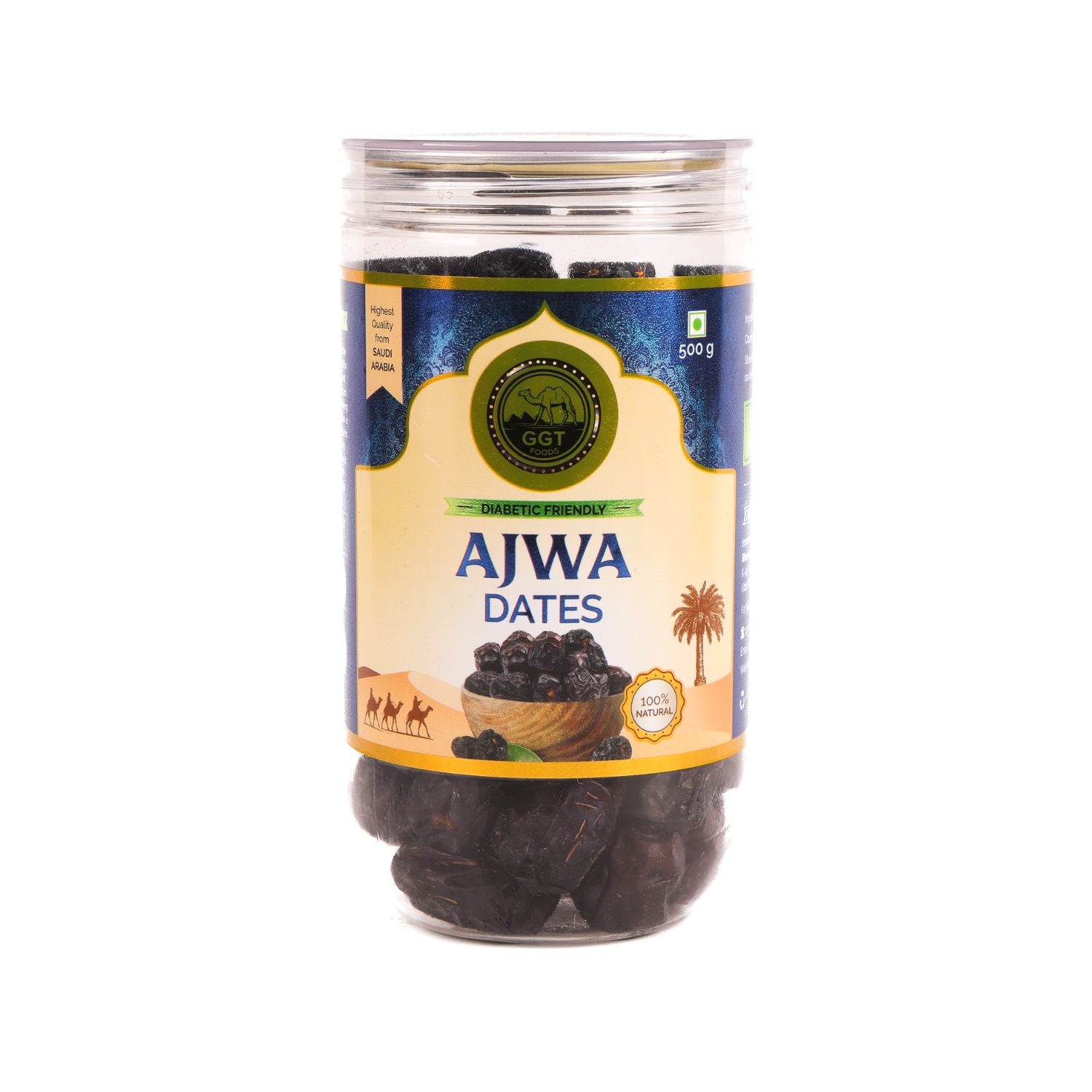
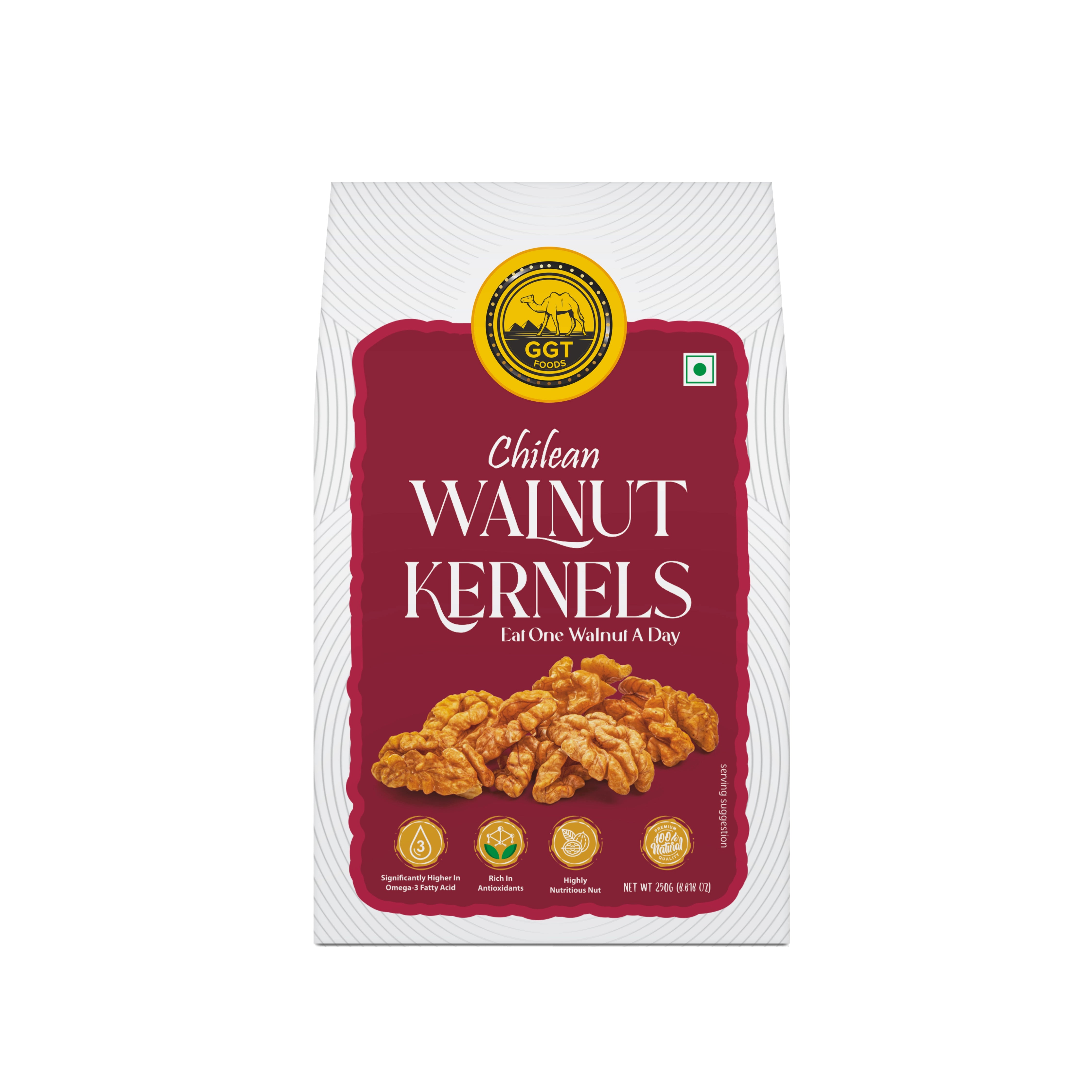
The range covers almonds in Mamra, California, and other varieties, walnuts, cashews, raisins in green, golden, black, and Kashmiri varieties, dried figs, dates across ten varieties including Ajwa, Medjool, Kalmi, and Kimia, and a full seeds range. No artificial coatings, no added sugar, no preservatives across the range.
Explore GGT Foods' full dry fruit range and find the varieties that fit your daily routine, your life stage, and your health goals.
FAQs on Benefits of Dry Fruits for Females
Which dry fruits are best for females?
Almonds, walnuts, raisins, dates, dried figs, and pistachios cover the widest range of female-specific nutritional needs across iron, bones, hormones, and skin.
How many dry fruits should females eat daily?
A 20 to 30g mixed daily portion covers the full benefit range for most healthy adult women without excess calories.
Are dry fruits good for female hormonal balance?
Yes. Magnesium, zinc, and healthy fats in dry fruits support hormone production and regulation. Phytoestrogens in some varieties mildly support estrogen balance during perimenopause.
Which dry fruit is best for weight gain for females?
Dates, almonds, and cashews are calorie-dense and nutrient-rich, making them practical additions to a diet aimed at healthy weight gain.
Can dry fruits help with iron deficiency in females?
Yes. Raisins, dried apricots, figs, and dates all contribute non-heme iron. Always pair with a vitamin C source for better absorption.
What are the benefits of dry fruits for hair for females?
Dry fruits benefits for female hair include iron for scalp blood flow, zinc for follicle health, and omega-3 from walnuts for reducing scalp inflammation that disrupts hair growth.
What are the benefits of dry fruits for skin for females?
Vitamin E from almonds, copper from cashews, and antioxidants from raisins and walnuts together protect skin cells, support collagen, and reduce the oxidative damage that ages skin visibly.
Which dry fruit is good for hair growth and thickness?
Walnuts for omega-3 and scalp health. Almonds for vitamin E and zinc. Raisins for iron. All three together address the most common nutritional causes of poor hair growth in women.