![Irani Mamra Almond Oil [Wood Pressed Oil]](http://www.ggtfoods.com/cdn/shop/files/Irani_Mamra_Almond_Oil_150x.png?v=1750315719)




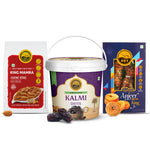
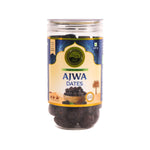






Both dates and figs show up in Indian kitchens daily, sometimes together, sometimes separately. People soak them overnight, add them to milk, stir them into oats, or eat them plain as a snack. The confusion between the two is common. Some people even ask whether dates are dried figs. They are not. Dates come from the date palm tree, Phoenix dactylifera, while figs come from the Ficus carica tree. They look different, taste different, and do different things nutritionally.
So, in this blog, let’s compare dates vs figs on nutrition, health benefits and specific goals, so you know exactly which one to go for and when.
Key Takeaways
- Dates and figs are both dried fruits full of nutrients, but are used for different things: dates are good for energy and potassium, while figs are good for calcium, fibre and iron.
- The fig vs date comparison on calcium is not close: figs carry 162mg per 100g versus 64mg in dates, making figs the better choice for bones.
- Dates online and figs online from a verified source matter more than most people realise, since freshness and storage directly affect the nutrients you actually receive.
Nutritional Comparison Between Dates and Figs
Dates and figs look similar on a plate, but their nutrient profiles differ more than most people expect. Dates carry more sugar and calories. Figs carry more fibre, calcium, and iron. Both are worth eating, but for different reasons.
|
Nutrient (per 100g) |
Dates (Medjool) |
Dried Figs |
|
Calories |
277 kcal |
249 kcal |
|
Carbohydrates |
75g |
64g |
|
Natural Sugars |
66g |
48g |
|
Dietary Fibre |
6.7g |
9.8g |
|
Protein |
1.8g |
3.3g |
|
Fat |
0.15g |
0.9g |
|
Calcium |
64mg |
162mg |
|
Iron |
0.9mg |
2mg |
|
Potassium |
696mg |
680mg |
|
Magnesium |
54mg |
68mg |
|
Glycemic Index |
42 to 62 |
~61 |
Source: USDA FoodData Central. Dates FDC ID 168191 and Figs FDC ID 173021
Figs carry more than double the calcium of dates, 162mg versus 64mg per 100g, and nearly 50 per cent more fibre. Dates are rich in natural sugar and potassium, which makes them a better energy and electrolyte source. Both have a moderate glycemic index, with dates ranging from 42 to 62, depending on variety, and figs at around 61.
Health Benefits of Dates
Dates have been part of daily diets across the Middle East, South Asia, and North Africa for centuries. They are not just a sweet snack. The nutritional profile of dates, particularly their potassium, magnesium, and natural sugar combination, makes them one of the more complete energy foods available from a whole fruit.
Energy and Athletic Performance
The glucose in dates reaches the bloodstream fast. Fructose follows more slowly through the liver. Together, they cover immediate fuel and sustained energy in the same fruit. Three dates, thirty minutes before a session is enough to power through training without hitting a wall. After the session, dates replenish glycogen and restore the potassium that muscles burn through during physical output.
Brain Health and Focus
Potassium helps the nerve signals that fire between neurons, affecting how quickly the brain processes information and maintains focus. Magnesium reduces neuroinflammation and supports synaptic strength. Research published by the National Library of Medicine found that polyphenols and flavonoids in dates reduced inflammatory markers linked to Alzheimer's risk and cognitive decline in animal studies.
Labour Support During Pregnancy
A study in the Journal of Obstetrics and Gynaecology tracked women who ate roughly six dates a day during the final four weeks of pregnancy and found they arrived at the hospital with greater cervical dilation, more intact membranes, and shorter overall labour times than those who did not. Multiple studies have reached similar conclusions, making this one of the more clinically supported benefits of eating dates.
Heart Health
Potassium in dates relaxes arterial walls and reduces the pressure sodium puts on the cardiovascular system. Magnesium works on arterial inflammation at the same time. Soluble fibre catches LDL cholesterol during digestion and carries it out of the body before it is absorbed. Polyphenols protect the arterial lining from oxidative damage that compounds over years of exposure to stress and poor diet.
Digestion
Dates carry 6.7g of fibre per 100g along with sorbitol, a natural compound that draws water into the colon and softens stool. Two to three dates on an empty stomach every morning is a practical and consistently effective approach to constipation, particularly relevant for people on high-protein diets where fibre intake is often low.

Health Benefits of Figs
Dried figs, known as anjeer in India, are one of the more nutritionally dense dry fruits available and consistently underused. People reach for almonds and dates daily but forget figs, which is a gap worth closing given what the numbers show.
Bone Strength
The difference between dates and figs in terms of calcium is significant. Figs carry 162mg of calcium per 100g versus 64mg in dates. Combined with magnesium at 68mg and phosphorus, figs deliver a mineral combination that directly supports bone density. For women, children, and older adults who do not consistently meet daily calcium targets through dairy, two soaked figs daily add up meaningfully over time.
Digestion and Gut Health
Figs carry 9.8g of fibre per 100g, nearly half the daily requirement from a small serving. They also contain a proteolytic enzyme called ficin that breaks down protein in the gut and supports overall digestion. The prebiotic fibre in figs feeds beneficial gut bacteria and improves bowel regularity. Soaking figs overnight before eating them in the morning remains one of the most effective natural approaches to constipation available from whole foods.
Iron for Blood Health
At 2mg of iron per 100g, dried figs carry more than double the iron of dates. This makes figs a practical daily addition for women managing low haemoglobin, particularly those who prefer to address iron deficiency through food rather than supplementation. Pair with a vitamin C source, lemon juice or amla, to improve non-heme iron absorption from figs.
Heart and Blood Pressure
With 680mg of potassium per 100g, figs keep blood vessel walls relaxed and support healthy blood pressure, the same way dates do through their potassium content. Phenolic compounds and flavonoids reduce LDL oxidation and arterial inflammation on top of that. Nutrition Research published findings showing dried fig consumption lowered triglycerides and raised antioxidant levels in participants over the study period.
Blood Sugar Management
Figs are sweet, but their glycemic index is moderate at 61, and their high fibre content affects how the body handles that sugar. The fibre in figs forms a gel during digestion which slows down glucose absorption into the blood. The actual blood sugar response from eating figs is much gentler than the sugar content alone would suggest.

Figs vs Dates: Which Is Better for a Healthy Diet?
Dates and figs serve different goals, and the better choice depends on what your body currently needs. Neither is universally superior. You can decide based on what your body needs, with the help of the table below:
|
Health Goal |
Winner |
Why |
|
Energy and Pre-Workout |
Dates |
Higher natural sugar and glucose-fructose combination delivers faster, cleaner fuel. Three dates, thirty minutes before training, work consistently. |
|
Bone Health |
Figs |
162mg calcium per 100g versus 64mg in dates. Stronger choice for bone density, joint strength, and daily calcium targets. |
|
Digestion and Constipation |
Figs |
9.8g fibre versus 6.7g in dates, plus the enzyme ficin and prebiotic properties that dates do not carry. |
|
Iron and Blood Health |
Figs |
2mg iron per 100g versus 0.9mg in dates. More relevant for women managing low haemoglobin or building iron through food. |
|
Heart Health |
Both |
Potassium and antioxidants in dates and figs both support blood pressure and arterial health. Rotating both covers more ground. |
|
Weight Management |
Figs |
249 kcal per 100g versus 277 kcal in dates, and higher fibre that suppresses appetite more effectively. |
Easy Ways to Add Dates and Figs to Your Daily Diet
Dates and figs are versatile enough to slot into existing meals without needing new recipes or complicated preparation.
Morning Routine
- Soak two figs and two to three dates overnight in separate small bowls of water. Eat both on an empty stomach in the morning before breakfast. The digestive system absorbs nutrients most efficiently before other food enters.
- Blend one soaked date and one fig into a banana-milk smoothie instead of adding sugar or honey. The sweetness comes naturally and the fibre slows the sugar release.
Breakfast
- Chop one date and half a fig into warm oats with cinnamon and a handful of soaked almonds. Covers fibre, calcium, iron, natural sugar, and healthy fat in one bowl.
- Stir chopped dates into daliya while cooking. The sweetness absorbs into the grain and reduces the need for any added sugar.
Snacks and Mid-Day
- Pit a date, fill with almond butter or a walnut half for a balanced mid-day snack that covers natural sugar, healthy fat, and protein together.
- Keep a small container of three soaked figs and five soaked almonds ready for a desk snack that holds appetite for two to three hours.
Desserts and Sweets
- Blend dates into a paste and use as a one-to-one replacement for sugar in cookies, ladoos, energy balls, and banana muffins.
- Add chopped figs to kheer or halwa for calcium and fibre alongside the sweetness.
- Make energy balls from oats, almond butter, chopped dates, and chopped figs. Ten minutes of prep time, stores in the fridge for a week.
Where to Purchase the Best Quality Dates and Figs Online?
Buying dates and figs online in India looks straightforward until you receive a pack that is dry, flat-tasting, or coated with glucose syrup to fake freshness. Most marketplace listings do not tell you the harvest season, storage conditions, or whether the product has been sitting in a warm warehouse for six months.
GGT Foods has sourced and distributed premium dry fruits from Khari Baoli, Delhi, for over 25 years, covering some of Asia's most trusted supply networks for dates and figs.
Here’s why you should choose us:
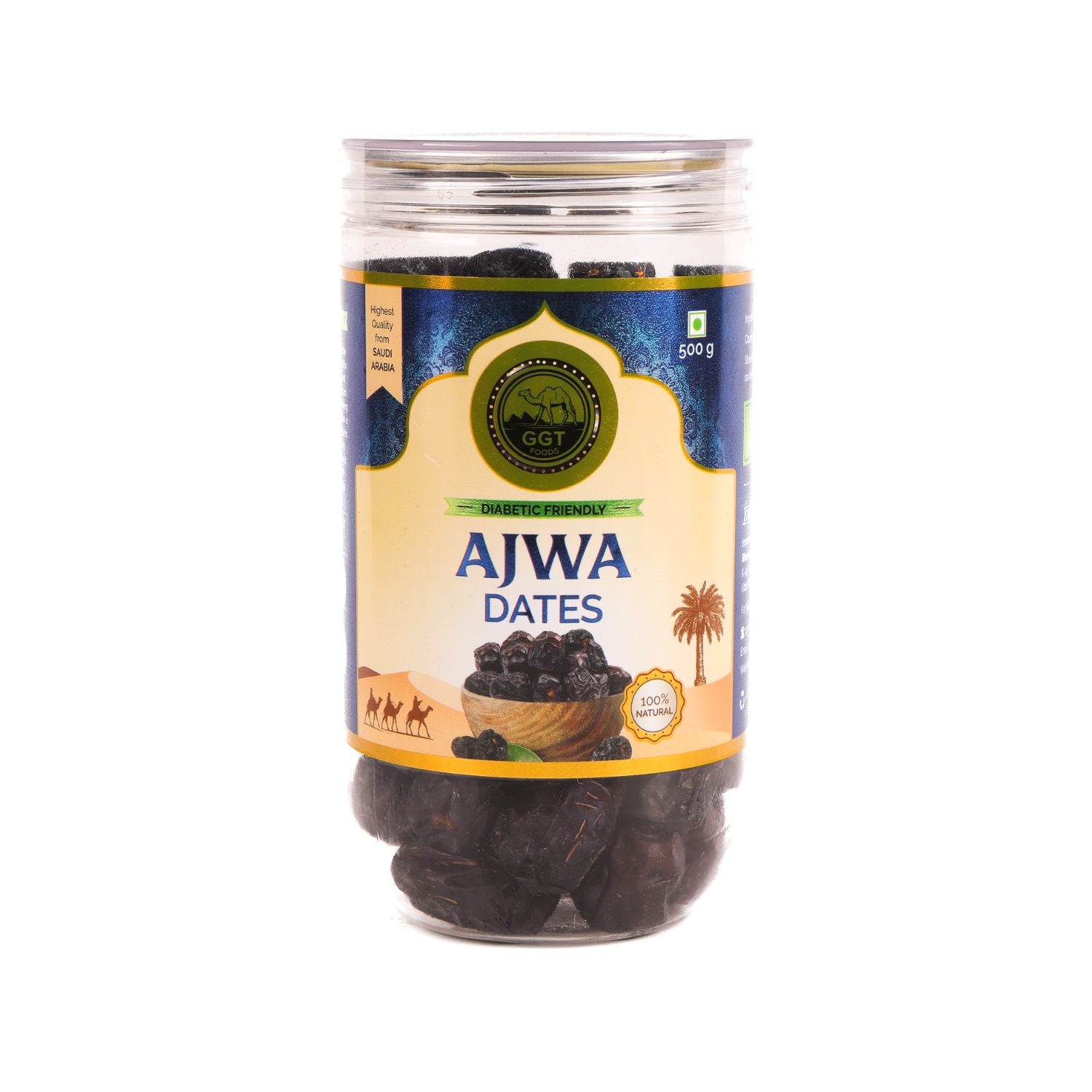
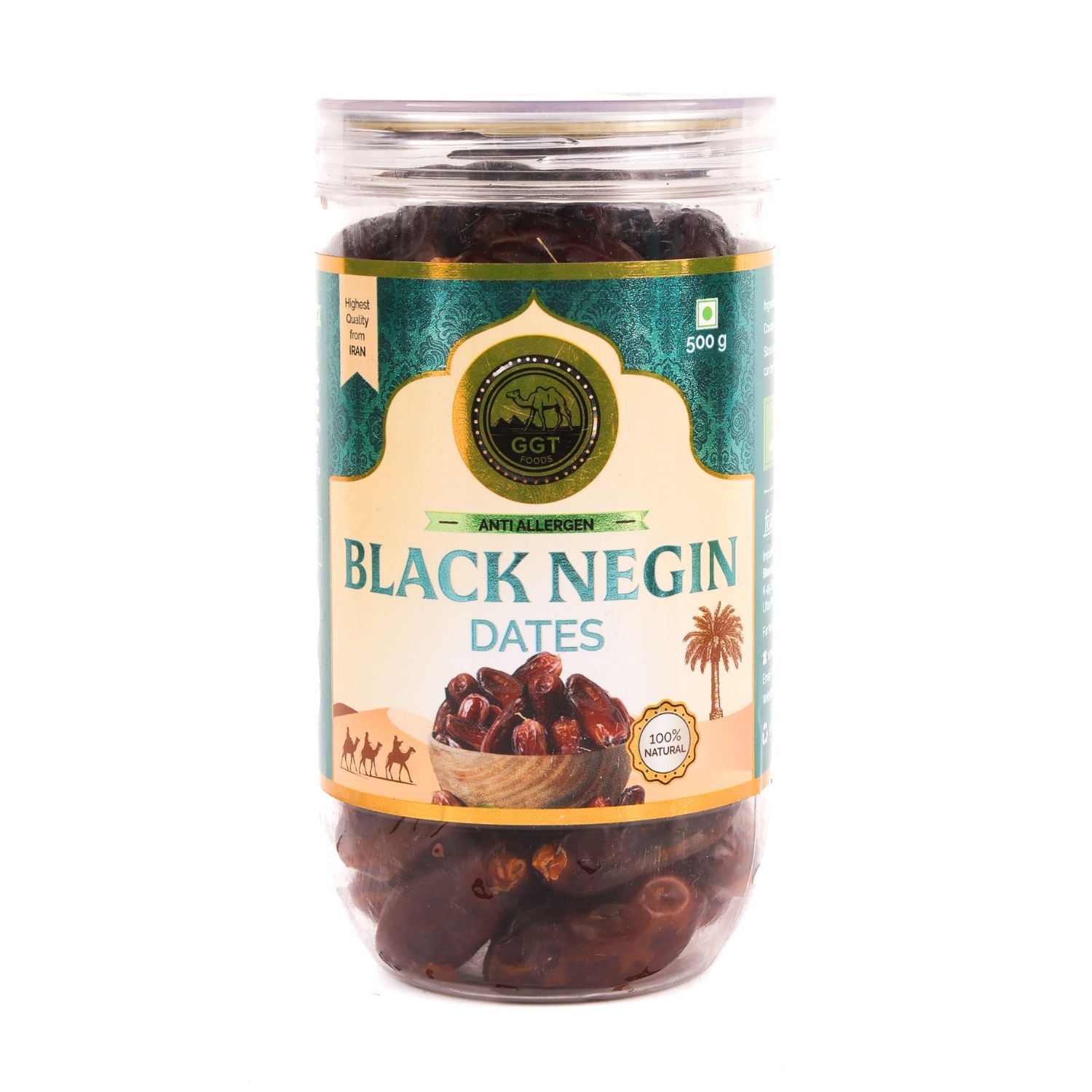
- We offer Ajwa, Medjool, Kalmi, Kimia, Mazafati, Mabroom, Khaneizi, Zahidi, Fard, Negin, and more
- Our dried figs range covers Afghani Anjeer in Jumbo and King sizes, sourced from cultivators in Afghanistan
- No artificial coatings, no added sugar, no preservatives across the full range
- Hygienic handling and airtight packaging that protects freshness from the warehouse to your kitchen
- Fast delivery across India with packaging suited to protecting dry fruits from heat and humidity in transit
Whether you want to order dates online for daily snacking and cooking or buy figs online for soaking and breakfast routines, GGT Foods offers both at honest pricing with quality that reflects genuine sourcing rather than marketing claims.
FAQs on Dates vs Figs
Are figs and dates the same?
No. Dates grow on the date palm tree, and figs grow on the Ficus tree. They differ in origin, taste, texture, and nutrient profile entirely.
Are figs or dates better for you?
Figs are better for calcium, iron, and fibre. Dates are better for energy and potassium. The right choice depends on your specific health goal.
Which is healthier, figs or dates?
Neither is outright healthier. Dates are rich in natural sugar and energy. Figs are rich in calcium, iron, and fibre. Eating both regularly covers more nutritional ground than either alone.
How to choose the best quality of dates and figs?
Good dates should be plump, moist, and caramel-fragrant with no shiny glucose coating. Good dried figs should be soft but not mushy, with a matte surface and a mild earthy smell. Both should list only the fruit on the ingredient label with nothing else added.
Can diabetics eat figs and dates?
Yes, in controlled portions. Both have a moderate glycemic index and should be paired with protein or fat to slow sugar absorption. Figs are slightly more suitable for diabetics because of their higher fibre content, but portion control matters more than the choice of fruit.
What is the best time to eat dates and figs?
Dates work best in the morning on an empty stomach or thirty minutes before physical activity for energy. Figs work well in the morning, soaked overnight, eaten before breakfast for digestion and calcium absorption.