
![Irani Mamra Almond Oil [Wood Pressed Oil]](http://www.ggtfoods.com/cdn/shop/files/Irani_Mamra_Almond_Oil_150x.png?v=1750315719)













Walk into any Indian kitchen and you will find a small steel box tucked near the spice rack. Open it and there they are, dates and raisins, sitting side by side. Most people reach for one out of habit. Very few stop to think about what each actually does for the body.
This piece breaks down everything from sugar and fiber to iron, potassium, bone health, and workout performance. By the end, you will know exactly which one belongs in your morning oats, your pre-gym snack, or your child's tiffin box.
Why Compare Dates and Raisins?
Both are dried fruits. Both are sweet, calorie-rich, and loaded with natural sugars. That surface similarity is exactly why people get confused. Gym-goers debate which is a better pre-workout pick. Mothers wonder which one to add to their child's diet. People managing blood sugar want to know which one to limit.
The truth is neither dates nor raisins are bad for you. Each has a distinct nutrient profile and serves different health goals. The right choice depends on what your body actually needs.
-
Natural Sugars, No Additives: Dates and raisins run on glucose and fructose, the same sugars your body uses for fuel, with nothing artificial added.
-
Fiber That Works: Both keep your gut moving, your digestion steady, and your hunger quieter for longer after eating.
-
Solid Mineral Content: Iron, potassium, magnesium, and calcium show up in both, covering everything from blood health to bone strength.
-
Heart-Friendly: Both help manage cholesterol and blood pressure through different compounds.
-
Natural Energy Source: Athletes and active people regularly debate which works better before a workout. Both deliver without the crash of processed snacks.
Dates vs Raisins: Nutritional Comparison
Dates grow on palm trees; raisins are simply grapes that have been dried. Both end up calorie-dense, but through completely different paths. Drying pulls out moisture and leaves behind concentrated sugars and minerals, which is why a small handful of either moves the nutritional needle more than most fresh fruits.
Nutritional Comparison between Dates and Raisins
|
Nutrient (per 100g) |
Dates, Medjool |
Raisins, Dark Seedless |
|---|---|---|
|
Calories |
277 kcal |
299 kcal |
|
Total Carbohydrate |
75 g |
79.2 g |
|
Natural Sugars |
66.5 g |
65 g |
|
Dietary Fiber |
6.7 g |
4.5 g |
|
Protein |
1.8 g |
3.3 g |
|
Iron |
0.9 mg |
1.8 mg |
|
Potassium |
696 mg |
744 mg |
|
Magnesium |
54 mg |
36 mg |
|
Calcium |
64 mg |
62 mg |
|
Phosphorus |
62 mg |
98 mg |
|
Sodium |
1 mg |
26 mg |
Source: USDA FoodData Central, FDC ID 168191 (Dates, Medjool) and FDC ID 168165 (Raisins, dark seedless)
Calories, Sugar, and Fiber
-
Per 100g, raisins come in at 299 kcal while dates land at 277 kcal.
-
Dates carry 6.7g of fiber versus 4.5g in raisins, nearly 1.5 times more, which stretches satiety longer.
-
Higher fiber slows digestion and blunts the blood sugar rise that follows a meal.
-
The glycemic index of dates ranges from 42 to 62 by variety; raisins clock in around 64.
-
Dates hit the palate as intensely sweet but feel denser and heavier after a few pieces because of that fiber load.
Iron, Potassium, and Antioxidants
-
Raisins contain 1.8mg of iron per 100g versus 0.9mg in dates, making them the stronger pick for hemoglobin support.
-
Potassium is close in both, with raisins at 744mg and dates at 696mg per 100g, both linked to blood pressure regulation.
-
Dates carry significantly more magnesium, 54mg versus 36mg in raisins, which supports muscle function and nerve signaling.
-
Antioxidant content is solid in both. Raisins bring resveratrol and quercetin, two polyphenols tied to lower inflammation and healthier cholesterol levels.
-
Dates are packed with flavonoids, carotenoids and phenolic acids, which protect cells from oxidative damage and slow down cellular aging.
Which One Wins on Nutrition?
-
Raisins win on iron and protein content.
-
Dates win on fiber, magnesium, and glycemic control.
-
No single winner exists overall. The better choice depends on what your body is currently missing.
Benefits of Eating Raisins
Supports Digestion and Prevents Constipation
-
Raisins contain soluble fiber and a naturally occurring compound called sorbitol.
-
Sorbitol draws water into the intestine and softens stool, making raisins a gentle remedy for irregular bowel movements.
-
Even 30 grams per day makes a visible difference over a few days.
-
Soaking raisins overnight before eating them makes the effect faster and gentler on the gut.
Boosts Energy for Daily Activity
-
Raisins carry natural fructose and glucose that release at a moderate pace, not all at once.
-
The result is a steady energy lift that does not drop sharply thirty minutes later.
-
A small handful before a walk, a long work call, or a hectic afternoon keeps the body fueled without killing appetite.
-
No washing, no cutting, no prep. Raisins go straight from the box to your hand, which makes them one of the most practical mid-day snacks around.
Rich Source of Iron for Anemia
-
Among plant-based iron sources, raisins rank consistently well at 1.8mg per 100g.
-
Non-heme iron from raisins absorbs better when paired with vitamin C, so eating them with orange juice or a citrus-heavy meal increases uptake.
-
Women with heavy menstrual cycles or anyone dealing with low ferritin levels benefit from raisins as a daily addition.
-
Eating these foods regularly for weeks builds hemoglobin levels and reduces fatigue, which is associated with iron deficiency.
Supports Heart and Bone Health
-
Potassium in raisins helps relax blood vessel walls and reduce pressure on the arterial system over time.
-
Polyphenols and antioxidants in raisins slow down LDL oxidation, the process that starts arterial plaque buildup.
-
Raisins also carry boron, a trace mineral that helps the body hold onto calcium and maintain bone density.
-
This matters most for women after menopause, when bone loss tends to pick up pace.
Benefits of Eating Dates
Instant Energy for Workouts and Recovery
-
Dates carry a near-perfect combination of glucose and fructose for physical performance.
-
Glucose enters the bloodstream fast and fuels working muscles directly.
-
Fructose processes through the liver and provides a steadier, secondary energy release.
-
Eating two to three dates thirty minutes before training supports both endurance and strength output.
-
Dates and raisins consumed together as a dual-snack strategy work well for longer training sessions.
Improves Digestion and Gut Health
-
Dates contain sorbitol and nearly double the fiber of raisins, making them more effective for gut motility.
-
Regular date consumption supports bowel rhythm and reduces the frequency of constipation.
-
Eating two to three dates on an empty stomach every morning is a traditional approach across South Asian and Middle Eastern cultures.
-
Dates also carry prebiotic compounds that feed beneficial gut bacteria over time.
Supports Bone and Joint Health
-
With nearly double the fiber of raisins and a natural sorbitol content, dates are the stronger choice for keeping the digestive system moving regularly.
-
Across South Asian and Middle Eastern cultures, eating two to three dates first thing in the morning has been a long-standing gut health practice.
-
Over time, this daily habit supports a more consistent bowel rhythm and reduces constipation episodes noticeably.
-
Beyond fiber, dates carry prebiotic compounds that nourish the good bacteria living in the gut.
Natural Sweetener for Healthy Diets
-
One Medjool date blended into a smoothie replaces one to two teaspoons of refined sugar without any processed ingredient.
-
Date paste works as a one-to-one swap for sugar in cookies, ladoos, energy balls, and banana bread.
-
Chopped dates in oatmeal or daliya add natural sweetness without spiking blood sugar the way refined sugar does.
-
For anyone reducing processed sugar intake without eliminating sweetness, dates are a practical everyday tool.
Dates vs Raisins: Which Is Better?
Which Is Better for Weight Loss?
-
Dates have more fiber per serving, which keeps hunger away longer between meals.
-
Raisins are slightly higher in calories per 100g but easier to portion in small amounts.
-
Two to three dates or a 30g serving of raisins both fit into a calorie-controlled diet without pushing totals too high.
-
Pairing either with a protein source like almonds or curd slows digestion further and improves satiety.
Which Is Better for Diabetes?
-
Dates have a lower glycemic index than raisins, making them marginally safer for blood sugar management.
-
Both should be eaten in small amounts and never on an empty stomach without protein or fat alongside.
-
A diabetic eating three dates with a handful of almonds will see a far smaller blood sugar rise than eating dates alone.
-
Portion control matters more than the choice of fruit itself for anyone managing type 2 diabetes.
Which Is Better for Energy Before a Workout?
-
Dates are the stronger pre-workout snack because of their glucose-fructose combination.
-
Glucose fuels muscles fast; fructose provides a slower, secondary energy release through the liver.
-
Magnesium in dates also supports muscle contraction and reduces cramping during training.
-
Eat two to three dates about thirty minutes before a session for best results.
Which Is Better for Iron and Anemia?
-
Raisins win this comparison clearly with 1.8mg of iron per 100g versus 0.9mg in dates.
-
Raisins are the go-to choice for building hemoglobin and reducing fatigue tied to iron deficiency.
-
Pair raisins with a vitamin C source to improve non-heme iron absorption noticeably.
-
Raisins are best for women, teenagers and vegetarians with low iron levels who make them a daily habit.
Which Is Better for Digestion and Gut Health?
-
Both help, but dates take priority because of their higher fiber content and prebiotic effect.
-
Dates have 6.7g of fiber per 100g versus 4.5g in raisins, a meaningful difference for bowel regularity.
-
For acute constipation, dates and raisins soaked together in warm water overnight work faster than either alone.
-
Raisins are effective for milder digestive sluggishness and work well when eaten regularly in small amounts.
Which Is Better for Kids and Daily Snacking?
-
Raisins are the safer choice for young children since they are small and easy to chew.
-
Whole dates are a choking risk for children under three because of their size and sticky flesh.
-
Older children do well with half a date paired with an almond or cashew as a school snack.
-
For toddlers, mash dates into porridge, banana, or plain yogurt before serving.
Which Is Better for Heart Health?
-
Both offer heart-protective benefits through different compounds.
-
Raisins carry resveratrol and quercetin, polyphenols directly linked to reduced arterial stiffness and lower LDL cholesterol.
-
Dates contribute through potassium and magnesium, which regulate blood pressure and support heart muscle function.
-
For a well-rounded approach to heart health, rotating both into your weekly diet covers more ground than picking one.
Healthy Ways to Add Raisins and Dates to Your Diet
In Breakfast: Oats, Daliya, and Smoothies
-
Stir a tablespoon of raisins into warm oats with a pinch of cinnamon for a breakfast that holds through mid-morning.
-
Blend two soft dates into a banana-milk smoothie instead of adding honey or sugar.
-
For daliya, chop half a date and mix it in while cooking; the sweetness absorbs into the grain beautifully.
-
Top curd or Greek yogurt with both raisins and chopped dates for a quick, no-cook breakfast option.
As Healthy Snacks and Trail Mix
-
Mix 20 raisins with 10 cashews, 5 almonds, and a few pumpkin seeds for a trail mix covering fiber, healthy fat, iron, and protein.
-
Add one chopped date for extra sweetness without buying any flavored or sugar-coated nuts.
-
Keep a small portion box ready in your bag or desk drawer for mid-day hunger without reaching for biscuits or chips.
-
Dates and raisins together in a snack mix give more nutritional variety than choosing just one dried fruit.
In Desserts and Baking
-
Date paste replaces refined sugar in besan ladoos, oat cookies, and banana muffins at a one-to-one ratio.
-
Raisins folded into rice pudding or carrot halwa add bursts of sweetness without extra sugar.
-
Energy balls made from oats, almond butter, dates, and raisins take ten minutes to prepare and store in the fridge for up to a week.
-
Chopped dates in homemade granola bars act as a natural binder while adding sweetness and fiber.
Buy Raisins and Dates from GGT Foods Online
Finding genuinely good dates and raisins online is harder than it sounds. Many options on general marketplaces are either old stock, poorly stored, or mixed with sub-grade produce that loses both flavor and nutrition.
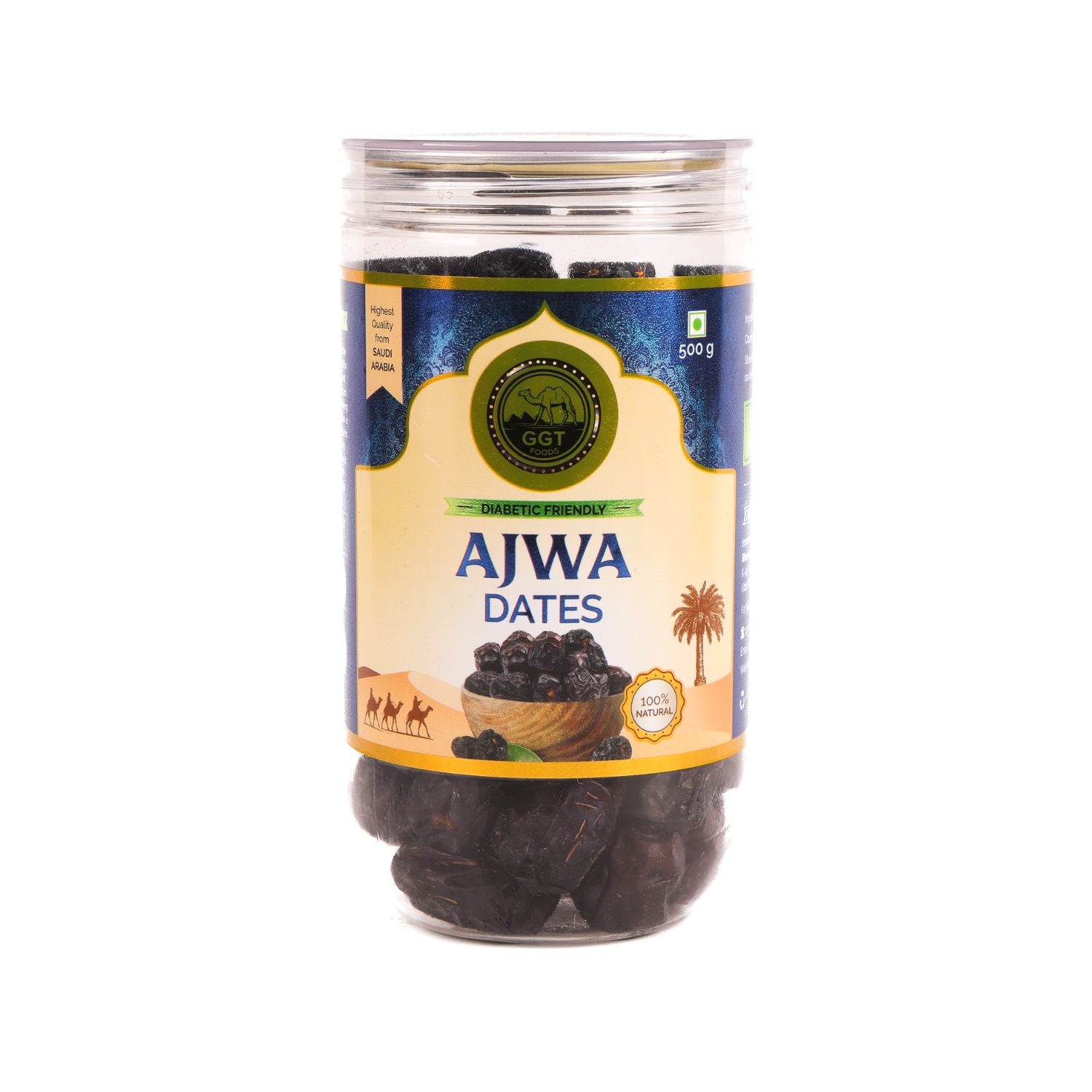
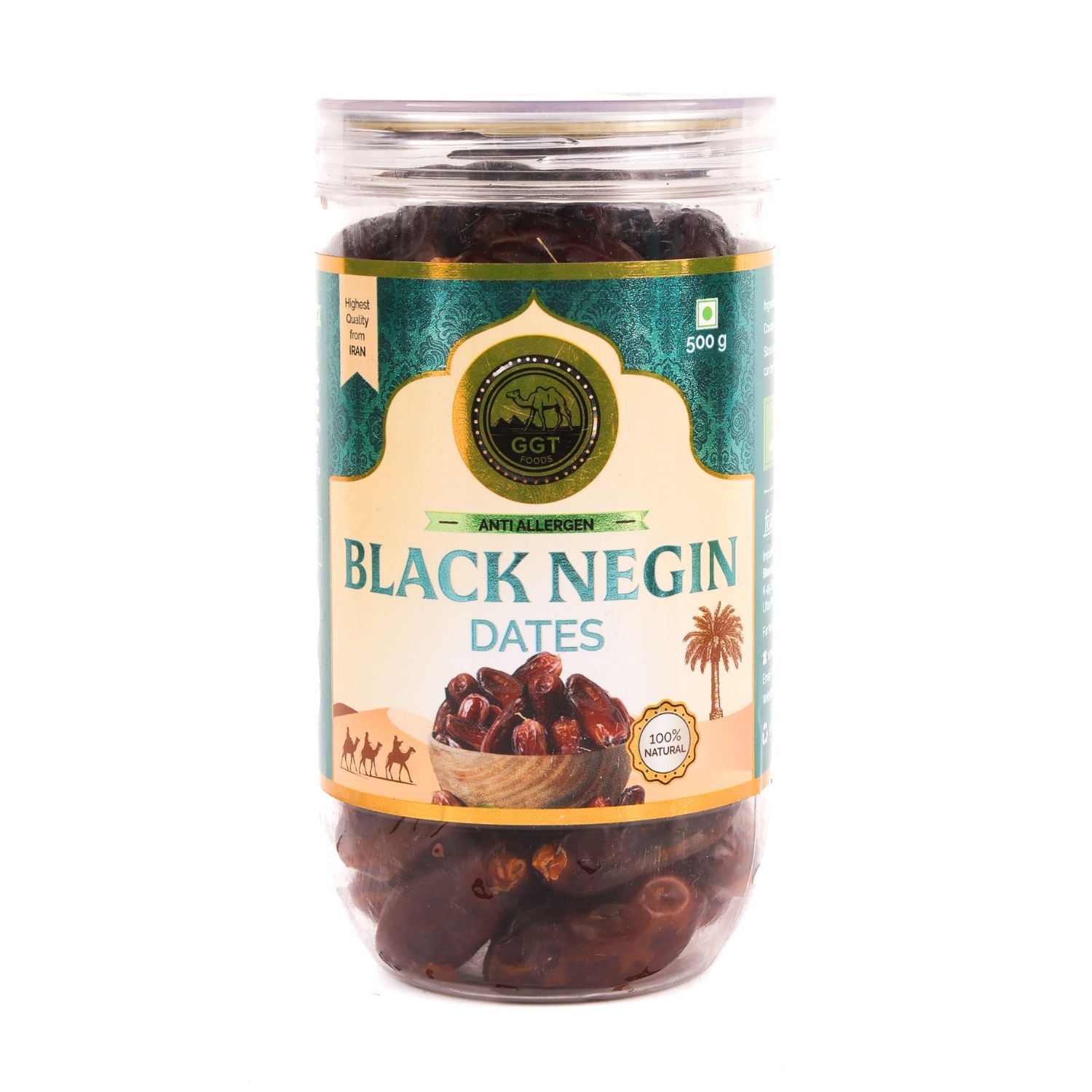
GGT Foods offers a different experience. The dates and raisins sold through GGT Foods are sourced carefully, processed in hygienic facilities, and priced fairly without inflating margins for unnecessary packaging. Whether you want premium Medjool dates, soft Kimia varieties, or plump Kashmiri raisins, the range covers regular snacking and gifting both.
Ordering raisins online or dates online through GGT Foods takes minutes, and delivery reaches most Indian addresses quickly. If you have been settling for whatever is available at the local kirana, switching to a dedicated dry fruits brand will change both the taste and the results you get from eating them.
Shop fresh dates and raisins online through GGT Foods and start snacking with a purpose.
FAQs on Dates vs Raisins
Are dates and raisins the same?
No. Dates come from the date palm tree, a flowering plant native to the Middle East and North Africa. Raisins are dried grapes. They differ in origin, taste, texture, sugar type, fiber content, and mineral profile. Calling them the same is like calling a mango and a jackfruit the same because both are tropical.
Do raisins have sugar?
Yes, but all of it is naturally occurring fructose and glucose from the grape itself. No added sugar goes into making standard raisins. The concern with raisins is portion size since the sugar is concentrated during drying.
How much sugar is in 10 raisins?
Ten raisins weigh approximately 10 grams and contain roughly 6 to 7 grams of natural sugar. That number is worth keeping in mind if you are monitoring total daily sugar, but it is far lower than a single packaged biscuit or flavored yogurt cup.
Which is better: raisins or dates?
Raisins are better for iron. Dates are better for fiber, energy, and magnesium. Neither is universally superior; the choice depends on what your current health goal is.
Are dates healthier than raisins?
Dates have more fiber, more magnesium, and a lower glycemic index. Raisins have more iron and more antioxidant variety. Both sit comfortably in a healthy diet.
Can I replace dates with raisins?
Yes, in some cases. Raisins replace chopped dates in baked goods, but expect a drier, less caramel-sweet result. Before a workout, dates are the better pick.